Blog Archive

Monday, November 20, 2023

The Black Cat (1934) – Review

This brilliant pre-code horror film pits the iconic Boris Karloff against the incomparable Bela Lugosi in their first screen pairing, with Karloff playing the personification of Lucifer while Lugosi as a man obsessed with revenge, but this film not only stars two of Hollywood’s greatest screen icons it’s also has a plot that deals with Satanism, necrophilia, and torture, which were not subject matters normally seen in Hollywood movies of the time.

The plot centres around a young honeymooning couple, Peter Alison (David Manners) and his newly wedded bride Joan (Julie Bishop), whose fateful encounter with Dr. Vitus Werdegast (Bela Lugosi) aboard the Orient Express leads to disaster when their bus loses control and drives off the road.  They are forced to take the injured Joan on to the home of Hjalmar Poelzig (Boris Karloff), the man who Werdegast has come seeking revenge, and our two love birds are now caught in a web of murder and betrayal. Turns out that during the war Poelzig betrayed his command which resulted in the deaths of thousands of Austro-Hungarian soldiers and Werdegast’s imprisonment, not to mention the fact that he also stole Werdegast’s wife and daughter, both named Karen (Lucille Lund), after telling them he was dead. Fifteen years later, Werdegast has come to find out what happened to his family and to get finally get his revenge on Poelzig, unfortunately, as it is the “Dark of the Moon” our newlyweds have arrived just in time to become part of a Satanic ritual and thus revenge is put on hold.


Hungary, come for the beautiful scenery, stay for the ritual sacrifice.

One of the film’s standout aspects is its exploration of psychological horror as the plot of The Black Cat delves deep into the darkest corners of the human psyche, exploring themes of guilt, madness and the consequences of wartime atrocities. It challenges the audience’s notions of good and evil, blurring the lines between protagonist and antagonist in a way that was quite daring for its time. Lugosi’s Dr. Vitus Werdegast is quite the complicated character because even though he’s come to get revenge upon Poelzig, who not only stole the man’s wife but later married his daughter – and that’s not getting into the whole Satanic cult thing and the fact he has a hallway of victims persevered in all their beauty within glass cases – yet Werdegast is no hero as he’s willing to jeopardize the lives of both Peter and Joan so that his plans for revenge can play out.


“Excuse, but are you two gentlemen playing chess with our lives?”

Stray Observations:

• An American mystery novelist going on his honeymoon in Europe is almost guaranteed to end badly, people in certain careers should know what locations to avoid, in fact, Peter later reflects “Next time, I go to Niagara Falls!”
• Sharing a train compartment with Bela Lugosi is a pretty big red flag that you are travelling into danger, and while Lugosi is not the villain of this picture his plans for revenge make him complicit in the horrifying events that follow.
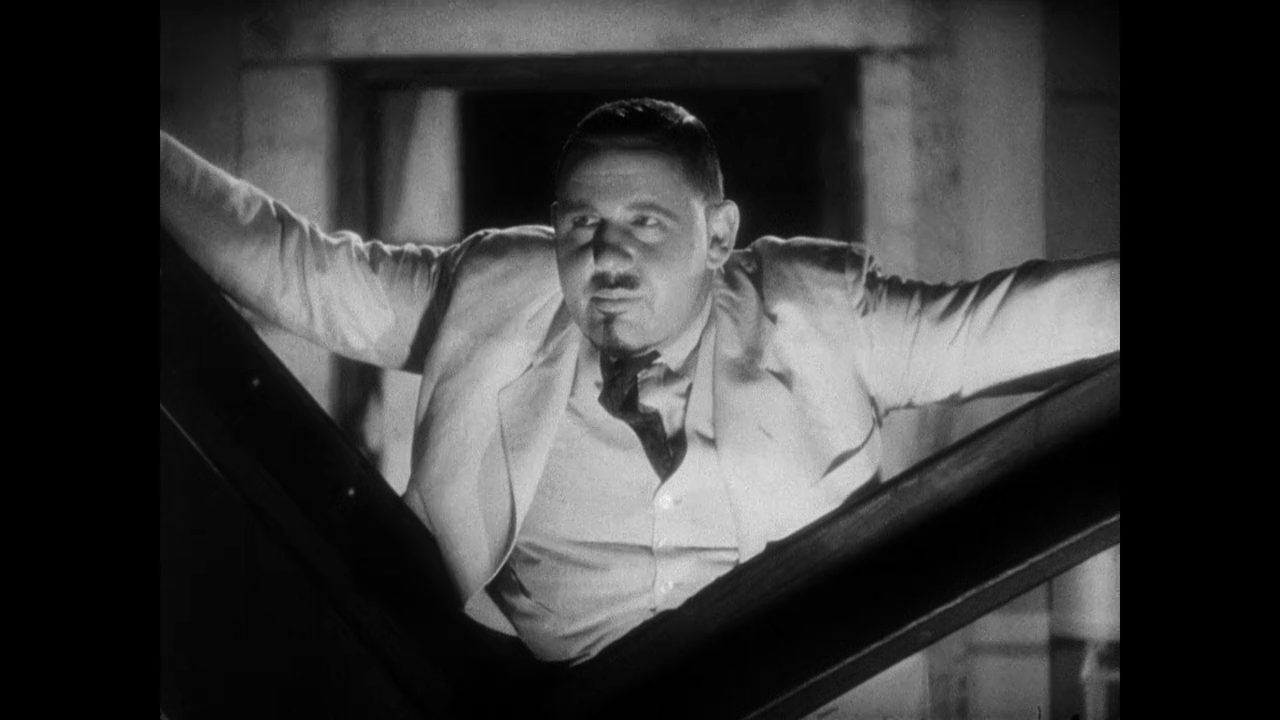
• Boris Karloff’s diabolic satanist doesn’t live in some spooky castle or Gothic manor, instead, his home is something more akin to the modernistic style of Frank Lloyd Wright.
• Peter and Joan are newlyweds but Poelzig gives them separate rooms, I’ll never understand how a film that deals with torture, incest and necrophilia will still have a problem showing two people sleeping together.
• Poelzig plays Bach’s Toccata and Fugue in D minor on a pipe organ because that’s one horror cliché that never goes out of style, of course, this film wins points for being only the second feature to utilize this piece, the first one being the 1931 adaptation of Dr. Jekyll and Mr. Hyde.
• The Satanic prayer Poelzig chants during the black mass scene contains random phrases in Latin including “cum grano salis” which means “with a grain of salt” which is a fair comment on Satanism.
• On the film’s title card it states “Suggested by the immortal Edgar Allan Poe Classic” but this movie has absolutely nothing to do with Poe’s story about a cat being accidentally bricked up with a murdered spouse.


The film does feature a black cat, among other dark things.

Director Edgar G. Ulmer later admitted that the story was credited as an adaptation of the Edgar Allen Poe story of the same name simply to draw public attention, despite the fact it had nothing to do with the plot of this movie, and this kicks off a long line of movies based on the Poe’s works that have little to do with the source material and being “In Name Only” adaptations. Despite being only “loosely based” on Edgar Allan Poe’s story – it does feature a black cat but no one gets walled up – the movie immerses viewers in a sinister world of hidden secrets and twisted obsessions. Lugosi and Karloff both deliver powerful and magnetic performances, their on-screen chemistry adding an extra layer of intensity to an already gripping narrative.


There is intensity and there is Lugosi versus Karloff.

Ulmer’s direction in The Black Cat is a masterclass in atmospheric storytelling. The film effectively uses shadowy visuals, stunning production design, and hauntingly beautiful cinematography to create an oppressive and foreboding atmosphere. Every scene is meticulously crafted, revealing the director’s keen eye for detail and his ability to create tension through subtlety. The performances by Lugosi and Karloff are nothing short of mesmerizing and Lugosi’s portrayal of Dr. Werdegast is hauntingly tragic, with his signature charm and commanding presence. Karloff, on the other hand, delivers a chilling and enigmatic performance as the enigmatic Poelzig, his screen presence oozing with malevolence and menace.


No one does “oozing malevolence” like Boris Karloff.

The Black Cat is one seriously dark piece of filmmaking, with director Edgar G. Ulmer and cinematographer John J. Mescall creating a world of creepy atmosphere and building dread, with our two hapless honeymooners caught in the crossfire of an old feud between bitter enemies, a feud that threatens ritualistic rape and human sacrifice. This is a truly horrifying tale and one can’t help but be appalled by Karloff’s menacing Satanist, especially when he admires his hallway of preserved corpses. And one can even sympathize with Lugosi’s emotionally tortured psychiatrist, a man who is pushed to the brink of madness, despite dangers his plans will have on his innocent companions. Over the years Lugosi and Karloff teamed up in eight films but The Black Cat is easily their greatest partnership as both actors give fantastic performances in a movie that pushed the limits as to the level of horror that could be brought to the screen.


What’s a little skinning alive between friends?

In conclusion, The Black Cat is an enduring cinematic achievement that stands the test of time. It showcases the immense talents of Lugosi, Karloff and Ulmer, pushing the boundaries of the horror genre in the 1930s. If you’re a fan of atmospheric and psychologically-driven storytelling, this film is a must-watch, offering a haunting journey into the depths of darkness that will leave you captivated until the very end.

Wednesday, November 15, 2023

Murder in the Zoo (1933) - Review

Who doesn’t like a trip to the zoo? You get to feed the bears, visit the Reptile House, and even watch the monkeys play with themselves, but murder isn’t usually part of the tour, which is why Paramount’s Murders in the Zoo stands out because who other than Lionel Atwill would use a zoo’s inhabitants as a murder weapon.

The idea of an insanely jealous person being “driven” to crime has been fodder for many a movie over the years but with Paramount’s Murders in the Zoo not only do we get one of the earliest examples but one of the most powerful and horrifying. Filmed during the pre-code era, director A. Edward Sutherland was able to take the premise of a husband’s mad jealousy to the extreme with a movie featuring a collection of rather gruesome and shocking deaths, and sure, what appears in this film may seem tame when compared to the “torture porn” of some modern horror films but somehow these have a more visceral feel to them that all the gore in the world can’t match. The key player in this film is big-game hunter and wealthy zoologist Eric Gorman (Lionel Atwill), a man who considers any threat to his marriage as a justification to murder, and the movie gets off to a great start with him sewing the lips shut of colleague Bob Taylor (Edward Pawley) and leaving him to be eaten by tigers, and the reason for this, the man attempted to kiss Gorman’s wife Evelyn (Kathleen Burke), which I considered to be an overly harsh response.

What’s wrong with the classic pistols at dawn?

The movie opens while Gorman and his wife are on safari in Indo-China, picking up animals for a zoo back in the States, but after the murder of the amorous Mister Taylor and a quick transatlantic boat ride, and it’s where we learn that Evelyn has another suitor in the wings in the form of Roger Hewitt (John Lodge), are story resumes its horrifying journey at the Municipal Zoo, an establishment that is currently suffering financial troubles that curator Professor G.A. Evans (Harry Beresford) hopes can be solved by the hiring of Peter Yates (Charles Ruggles) as their new press agent. Unfortunately, Yates is not only a bumbling drunkard who is terrified of practically all of the zoo’s inhabitants, but when two people at the zoo end up dead the wrong kind of publicity makes headlines. Needless to say, the deaths are not accidental but the work of Eric Gorman, knocking off one potential rival with a faked snake attack and then another murder to cover that one up, which leads to the zoo’s laboratory doctor, Jack Woodford (Randolph Scott), to discover the culprit and not only save the day but the zoo as well.


“I will now confront the killer alone because I’m an idiot.”

Stray Observations:

• Gorman returns from Indo-China with at least one lion visible among his catch, but lions have never been indigenous to Southeastern Asia. Did he hunt in one of their zoos over there?
• The killer snake is described as a “green mamba” but those snakes are only found in Africa so I’m starting to get a feeling that this script wasn’t vetted by an actual zoologist. In fact, the snake in this film is not a green mamba but a 25-foot-long python.
• If you’re in a movie and Lionel Atwill promises you “I really unusual evening” book a flight out of the country as soon as possible.
• Seeing Randolph Scott out of his typical cowboy garb and in a white lab coat makes this a fun look at his early career.
• If you discover your husband is a murderer, and have even found the murder weapon, go to the police and not the zoo, because if you end up being fed to the alligators then it’s kind of on you.


Maybe an open bridge over an alligator pit was a bad idea.

Lionel Atwill’s performance as the sadistic Eric Gorman is simply amazing, with his performance bringing a magnetic and sinister presence to the character, portraying him with a perfect balance of charm and madness. Atwill’s ability to convey Gorman’s cold and calculating nature while still maintaining an air of sophistication is truly remarkable but we shouldn’t overlook Charles Ruggles for his bumbling press agent, whose role in this outing injects moments of humour into the otherwise intense storyline, then again, I enjoy Ruggles in pretty much all his appearances in films over the years. Furthermore, Murders in the Zoo showcases impressive production values for its time. The set design, particularly Gorman’s mansion and the zoo itself, is richly detailed and adds to the film’s overall sense of opulence and decadence.


Decadence, thy name is Lionel Atwill.

One of the film’s standout features is the creative use of animals as instruments of horror as Murders in the Zoo presents some truly unnerving scenes, highlighting the power and danger inherent in the animal kingdom, from poisonous snakes to man-eating crocodiles, the film exploits the primal fears associated with nature’s predators, evoking a sense of unease and primal terror. While the film’s plot is intriguing and suspenseful, and even horrifying at times as the deaths in this film are particularly gruesome, does occasionally succumb to predictable storytelling tropes and contrived character decisions. However, these minor flaws are outweighed by the film’s overall effectiveness in delivering suspense and terror.


The zoo should have posted a “Beware of Irony” sign.

While the film is undeniably entertaining, it is worth noting that some of the themes and depictions may feel dated by today’s standards such as its treatment of women in particular, which may be considered problematic, with female characters often portrayed as nothing more than damsels in distress and adding very little to the narrative. Also, the film’s big finale featuring big cats fighting each other would certainly not pass the mandate of “No Animals Were Harmed in the Making of this Film,” but it is important to view the film within the context of the time it was made and appreciate it as a product of the early 1930sm, an era that wasn’t necessarily kind to women or animals in more than one fashion or another.

Terrible Trivia: At the film’s climax, during a big cat free-for-all, a lion broke the back of a puma and later the poor suffering animal had to be put down.

In conclusion, Murders in the Zoo remains a notable entry in the early horror-thriller genre, offering a gripping and atmospheric tale that explores the darkest corners of human nature. Lionel Atwill’s chilling performance, combined with the film’s use of animal symbolism and A. Edward Sutherland’s excellent direction, make it a must-watch for fans of classic suspense cinema. Just be prepared to experience a dark journey into the human psyche as you delve into the shadows of the zoo.

Monday, November 13, 2023

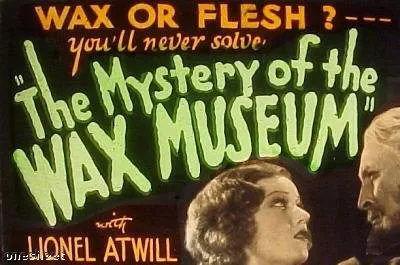
Mystery of the Wax Museum (1933) – Review

When thinking about a horror movie centring around murders committed by a disfigured mad sculptor the 1953 Vincent Price classic House of Wax would be the first thing to come to mind, I certainly hope no one immediately thinks of the 2005 version starring Paris Hilton, but Price wasn’t the first mad sculptor to stalk the streets looking for models for his macabre display, that honour goes to Lionel Atwill in Michael Curtiz’s Mystery of the Wax Museum.

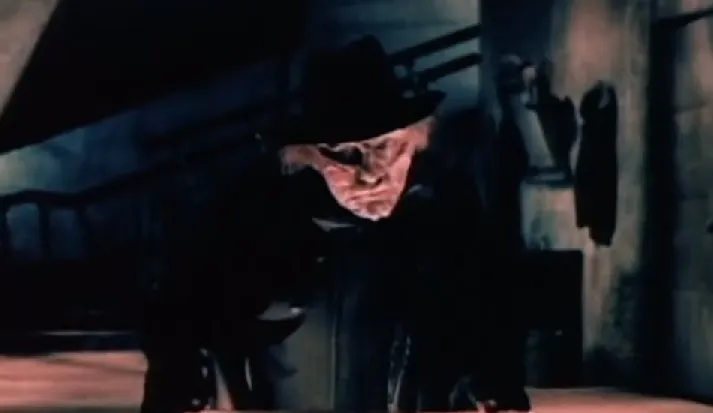
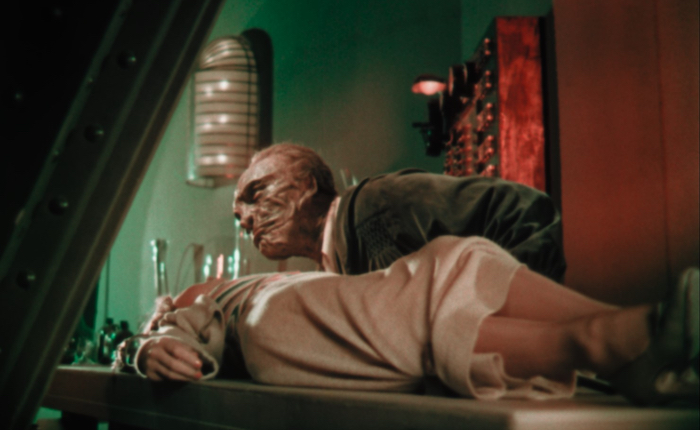
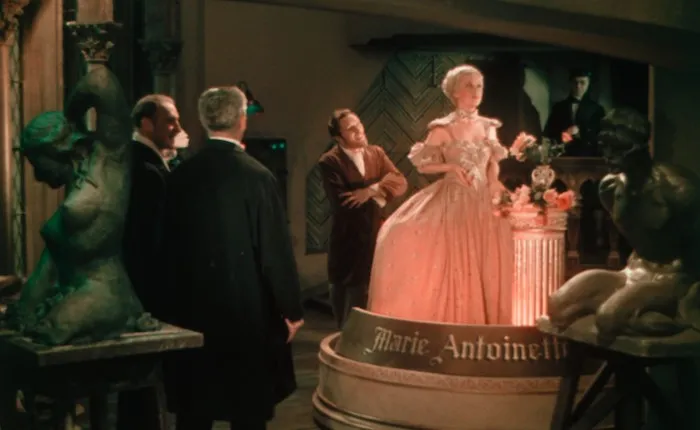
Set in the dark and eerie world of a turn of the century wax museum, the film follows the twisted tale of Ivan Igor (Lionel Atwill), a master sculptor and owner of a financially failing wax museum in London England, despite his wax sculptures of Joan of Arc and Marie Antoinette receiving great praise from a local art critic. Unfortunately, before he gets an ounce of good press his beloved wax figures are destroyed in a fire deliberately set by his business partner (Edwin Maxwell), who was hoping to recoup some of his investment via the insurance money. The film then fast forwards twelve years and a trip across the Atlantic where we find a now wheelchair-bound, and hiding his burned features under a wax mask, Ivan has reopened a new and improved wax museum in New York City, but with a nefarious band of assistants his wax figures are manufactured from corpses of people he has murdered and then encased in wax.


“It was this or live beneath the Paris Opera House."

The "mystery" of Mystery of the Wax Museum deals with the uncovering of these diabolical acts of murderous art by intrepid reporter Florence Dempsey (Glenda Farrell) who is trying to prove playboy George Winton (Gavin Gordon) didn’t murder his ex-girlfriend Joan Gale (Monica Bannister) – her corpse stolen and now standing in for Joan of Arc – and Florence also spends much of her time being repeatedly fired by her exasperated editor (Frank McHugh) as each lead sends her on one wacky misadventure after another. Basically, this is a horror version of Ben Hecht’s play The Front Page only instead of simply freeing a wrongfully convicted man from the gallows, our heroine must uncover the truth behind these ghastly murders and the mystery of a deformed serial killer, hopefully in time to save her roommate Charlotte Duncan (Fay Wray) who has caught Ivan’s eye as to be a perfect replacement for his lost Marie Antoinette.


“How do you feel about burning hot wax?”

Stray Observations:

• The movie opens with an art critic visiting the wax museum, but then rushing off to join an Egyptian expedition, and one can only hope it’s to uncover the mummy of Imhotep.
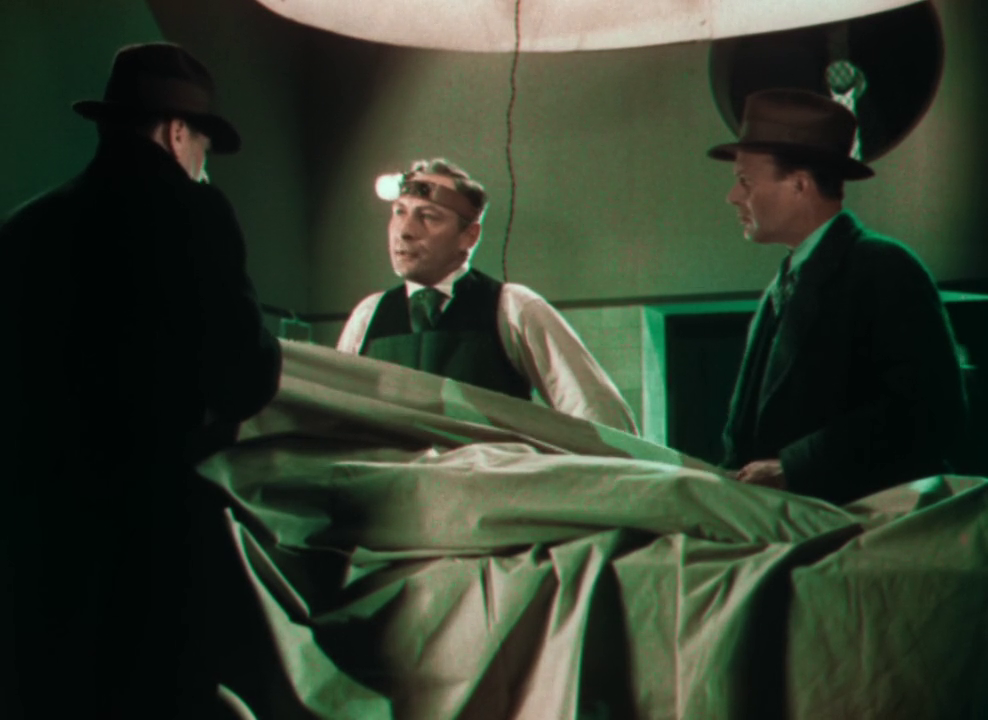
• The morgue set was recycled from the laboratory set in the 1932 classic Doctor X which was directed by Michael Curtiz and also starred Lionel Atwill and Fay Wray.
• Glenda Farrell is billed below Fay Wray despite the fact that she's the heroine and Fay Wray doesn't appear until about the 31-minute mark of this 77-minute movie.
• Glenda Farrell would go on to play another hard-boiled reporter in the Torchy Blane mysteries which ran from 1937 to 1939 and were inspirational in the creation of Lois Lane.
• Many of the wax statues are played by real people so even a casual viewer will most likely spot one of them taking a breath, twitching, flinching, or blinking at several points throughout the movie.
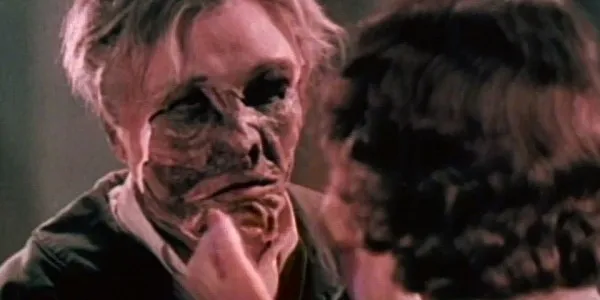
• Fay Wray smashes the wax mask that conceals Lionel Atwill’s burned visage but this makes little to no sense as a hard mask would not have worked at all as a disguise.


He should have gone with the traditional Phantom of the Opera mask.

One of the most notable aspects of Mystery of the Wax Museum is the superb art direction by Anton Grot whose beautiful set designs have a German expressionist flair that perfectly captures the era while also creating a sense of otherworldly apprehension. The filmmakers were able to create a genuinely haunting and atmospheric environment, with dimly lit corridors, shadows dancing across walls and a sense of foreboding lurking in every frame. The attention to detail in the wax figures themselves is remarkable, showcasing the skill and craftsmanship of all involved. The performances in Mystery of the Wax Museum are all commendable, with Lionel Atwill delivering a compelling portrayal of the tortured artist seeking revenge while Glenda Farrell brings a refreshing bit of energy to the film as the relentless reporter and her chemistry with Frank McHugh's character adds a touch of humour amidst the tension.


“I’m a kick-ass reporter and way ahead of my time.”

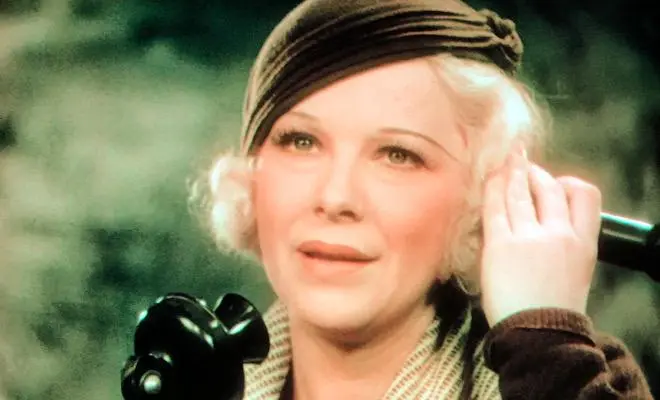
Then there is Fay Wray, who later gained fame in the 1933 monster classic King Kong, portraying a woman who has the misfortune to look like Ivan’s Marie Antoinette and becomes entangled in the mystery surrounding the wax museum, and while she doesn’t have Bruce Cabot to run to her rescue she at least has Glenda Farrell’s intrepid reporter for a roommate. Another of the film's strengths lies in its ability to blend elements of horror, mystery, comedy and suspense as Curtiz is able to keep viewers on the edge of their seats with a genuine sense of unease and tension, with the occasional break for a laugh. Balancing this blend of humour and horror is required when dealing with the concept of replacing wax figures with real corpses creates which in itself makes for a macabre and unsettling atmosphere, heightening the horror elements and establishing the film as a standout in the genre. Lucky for us, we have Glenda Farrell to keep our spirits up.


“Come for the art, stay for the murders.”

If you are a fan of the 1953 Vincent Price movie, or just a fan of classic horror movies in general, then Mystery of the Wax Museum is a must-see as it showcases the talents of director Michael Curtiz as well as the unforgettable performances of Lionel Atwill, Glenda Farrell, and Fay Wray. With its intriguing storyline, chilling visuals, and unique colour cinematography by Ray Rennahan, this has become a significant entry in the genre and its enduring legacy makes it an enjoyable piece of cinematic history.

Thursday, November 9, 2023

Doctor X (1932) – Review

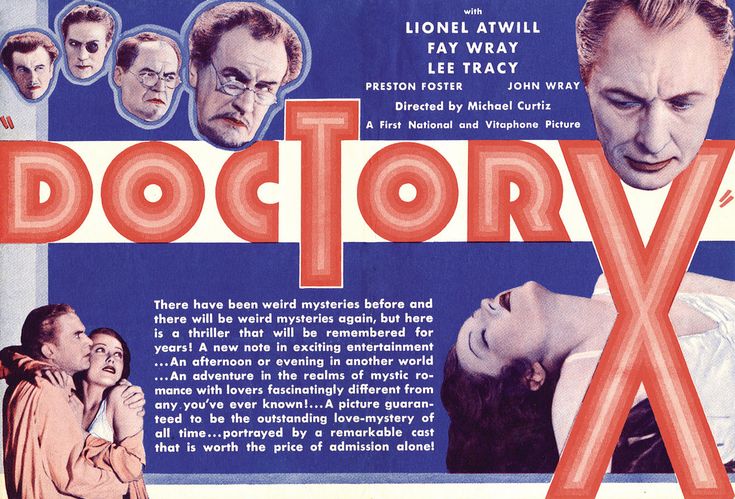
Paramount Pictures didn’t have much box office success with their adaptation of The Island of Doctor Moreau, Island of Lost Souls, but that very same year director Michael Curtiz delivered another “mad doctor” entry, one that not only proved quite successful it also introduced actor Lionel Atwill to the general public, playing the titular Doctor X and starting his long career of playing doctors mad or otherwise.

This horrific mystery centres around a serial murderer that the press had dubbed the “Moon Killer” as he only strikes during the full moon, worse is the fact that each body has been cannibalized after the murder, and we're talking decades before Hannibal Lecter would make the scene. On the trail of the killer is reporter Lee Taylor (Lee Tracy) who hopes to get a scoop and secure his job at the Daily World, but this job becomes more complicated when the police bring in renowned Doctor Xavier (Lionel Atwill) to examine the latest victim of this gruesome murderer and Xavier is no fan of newspaper publicity. Unfortunately for the good doctor, the police aren’t just interested in his skills as a coroner but more to the fact that all of the murders have occurred near his Academy of Surgical Research, then add to the fact that the type of scalpel used by the killer is only to be found at his facility, the suspicion falls heavily one of the academics working for under him.


“Clearly, someone was just out for a late-night bite.”

Or suspect list consists of Dr. Haines (John Wray), Dr. Duke (Harry Beresford) and Rowitz (Arthur Edmund Carewe), and while there is a fourth doctor working for Xavier he is the one-armed Wells (Preston Foster) and doesn’t seem a likely candidate as the killer, one who first strangles his victims before getting down to cannibalism. The police want a full investigation but Dr. Xavier, desperate to keep his business out of the newspapers, begs them to let him find the killer in his own way via some rather outlandish pseudoscience bullshit. For some reason, the police agree to give him 48 hours to figure out on his own which of his people is a murderous madman, but will that be enough time and will the killer strike again?


My guess is that the body count will rise.

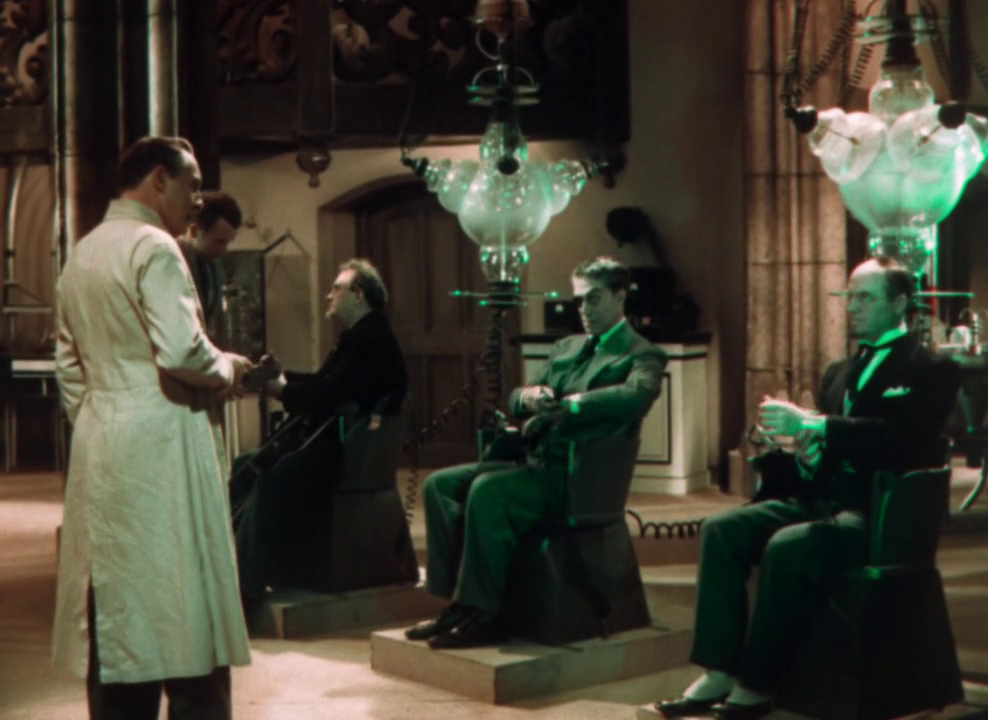
The plot of Doctor X is fairly absurd and the scientific mumbo-jumbo Doctor Xavier spouts is about as realistic as anything you’d find in a Commando Cody adventure serial. The fact that Michael Curtiz employed the great Lionel Atwill to produce reams of this techno-babble nonsense shows what an astute director he was, because Atwill is fantastic at delivering such pieces of exposition as “Now, it is my theory, that one of us in the past, through dire necessity, was driven to cannibalism. The memory of that act was hammered like a nail into the mind of that man. Shrewd and brilliant, he could conceal his madness from the human eye, even from himself... but he can't conceal it from the eyes of the radio sensitivity.” This is a machine that will, apparently, be able to deduce which one of them is the killer.  If only Scotland Yard had such a device.


This movie is just chock full of mad science.

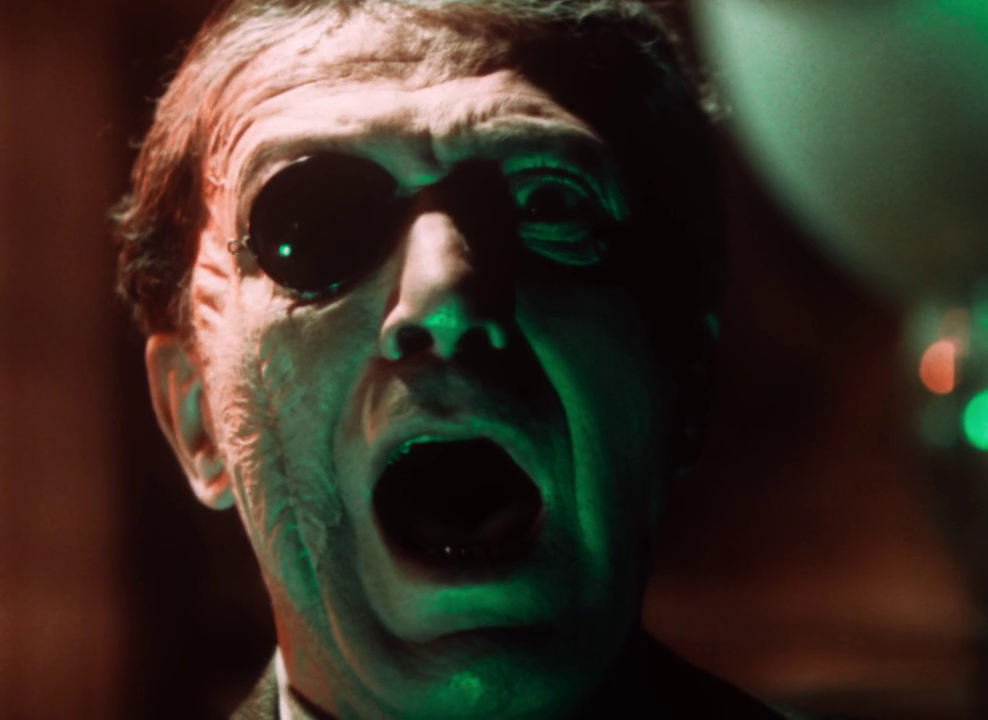
And how exactly does all of this “science” work? Simply put, the suspects are all hooked up to this elaborate piece of apparatus that will measure their reactions to certain stimuli, which consists of subjecting them to the light of a full moon and lifelike reproductions of the Moon Killer's pitiful victims. Then Xavier's creepy butler (George Rosener) and hysterical maid (Leila Bennett) would act out the latest murder, which to Xavier’s theory, would cause strong mental repressions and phobias hidden from the darkest corners of the subconscious mind, which would be brought to the surface and thus expose the guilty man. I’m guessing this device works something like a lie detector, we do see each suspect hooked up to an electrical system that records his heart rate, but the whole setup looks absolutely insane, and I love it.


I bet Miss Marple and Hercule Poirot would have loved this device.

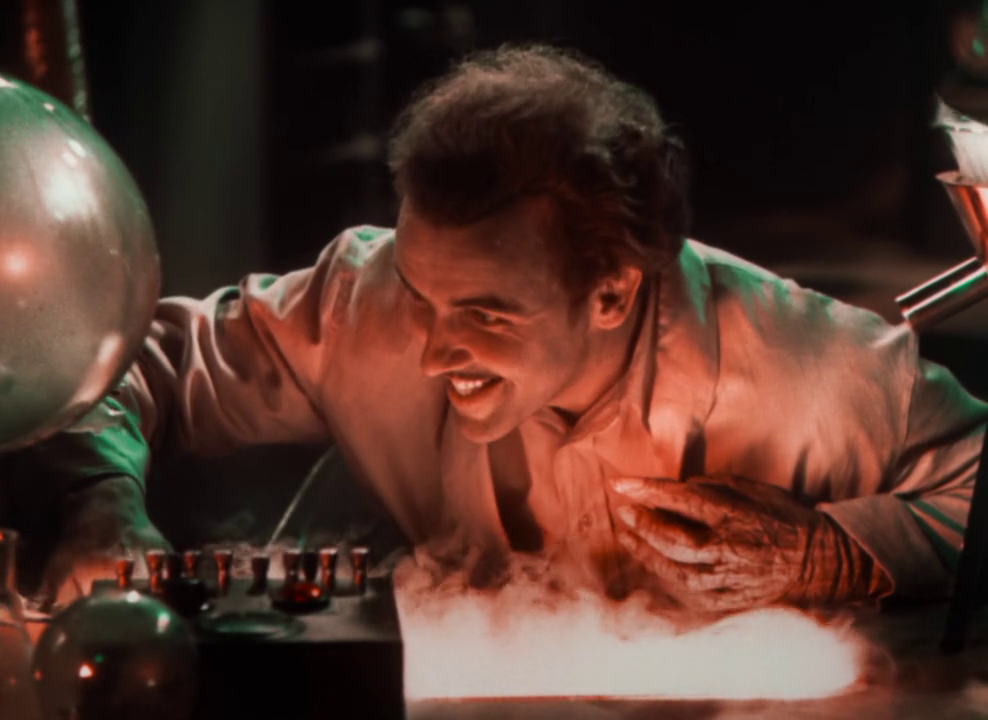
What’s amazing is that the film doesn’t just rely on Xavier’s crazy madness detector for its mad science, nope, this film goes all in when it comes to mad science because we get the big reveal is that one-armed Wells had somehow invented something he calls "synthetic flesh" and has been creating artificial limbs and a horrific mask to aid him in carrying out his crimes, which was to collect living samples of human flesh for his experiments. That he achieved such knowledge by researching cannibals in Africa and “stealing the flesh” from them just adds more layers to this villain’s madness, to the point where it is so over-the-top crazy you almost have to respect him for it.


Even Doctor Jekyll would have called this a bit much.

Stray Observations:

• The villain of this film is referred to as the Moon Killer and is almost certainly a very thinly disguised reference to Albert Fish, aka the Moon Maniac, whose cannibalistic crime spree ranged from 1924-32 and was still ongoing at the time of this film's release.
• Dr. Wells is an expert on cannibalism and Dr. Haines and Dr. Rowitz were once shipwrecked with a third person who “vanished” and they were both suspected of cannibalism. Talk about on-the-nose suspects for a case revolving around a cannibalistic murderer.
• Doctor Xavier is able to commission figures of Moon Killer’s victims on a moment's notice, which is impressive unless he made them himself, Atwill later became quite adept with them in Mystery of the Wax Museum.
• A killer unable to control himself during a full moon would, of course, become a key ingredient of Universal’s The Wolf Man.
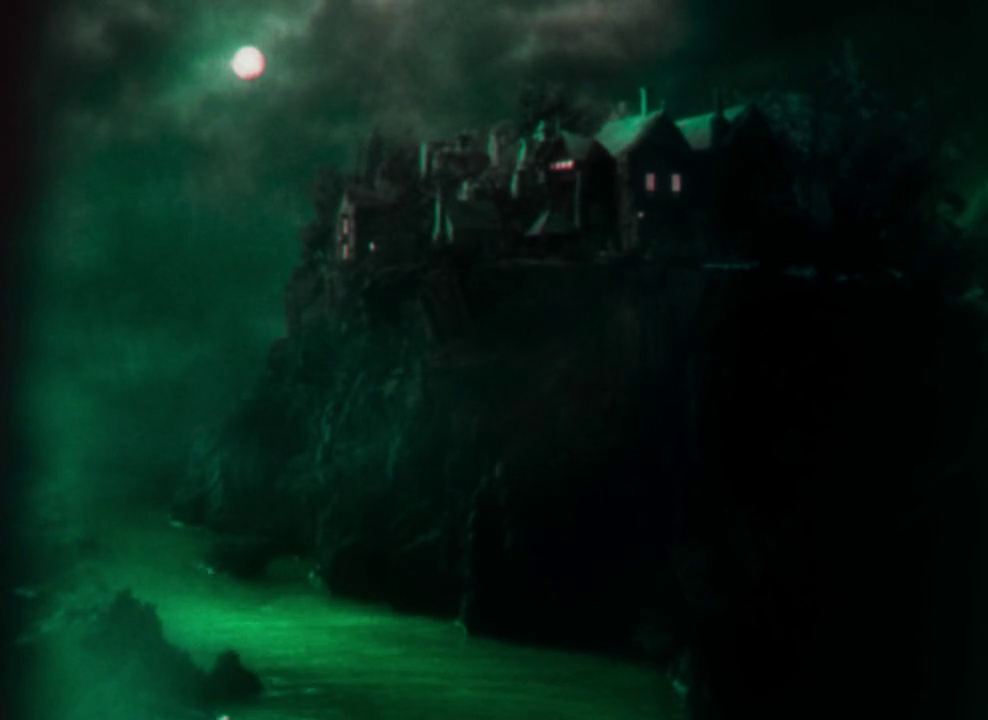
• The dark house overlooking the sea, a group of murder suspects, and a masked killer roaming through secret passageways all make this film a proto-Scooby-Doo mystery.


"You're gonna have yourself a Scooby Snack!"

One of the standout qualities of Doctor X is its visual style and atmospheric setting. The film presents a hauntingly beautiful depiction of a mysterious laboratory tucked away inside a looming mansion on a seaside cliff. The shadowy lighting and eerie set designs create a palpable sense of dread and suspense, perfectly capturing the tone of the narrative. The use of two-strip Technicolor in select scenes further enhances the film's otherworldly charm. And it should be noted that this film was produced in the pre-Code era of Hollywood and thus it contains adult themes throughout, such as those of murder, cannibalism, prostitution and rape, elements that would definitely not appear in later films of the genre.


“Fay, we’ve got to get busy before the Hays Code takes effect.”

The performances in Doctor X are all top-notch, particularly Lionel Atwill as the bombastic Doctor Xavier. Atwill brings a commanding presence to the character, conveying both brilliance and a hint of sinister motives. And while Lee Tracy's portrayal of the witty and determined reporter adds a dose of humour and energy to the film it probably would have worked better with someone like Bob Hope in the role, something akin to The Cat and the Canary. The film also supports a love interest, something genre films always have whether the plot needs them or not, and in this case, it comes in the form of Doctor Xavier’s daughter Joanne (Fay Wray), who inexplicably made the trip to this creepy mansion, and while no logical reason is given to her inclusion in the events it does allow her to fulfill the role of damsel in distress.

Note: A year after the release of this film Fay Wray will take on her most iconic role, that of Anne Darrow in the monster classic King Kong.

While Doctor X is often categorized as a horror film, it possesses a unique blend of genres that sets it apart from the typical horror fare of its time. It incorporates elements of mystery, science fiction, and even dark humour and it's this amalgamation of genres that keeps the audience engaged and invested in the unfolding story. Now,  Doctor X quite perfection as it does have one failing and that is in the mystery aspect itself, which has to with the reveal of the killer being as impossible as it is absurd - cue the silly science fiction of synthetic flesh - and the obviousness of his identity could have only been more obvious if the butler did it. But despite absurdness of the villain the film still manages to create a chilling atmosphere without relying on excessive gore or jump scares, instead, it focused on suspenseful storytelling and intriguing character dynamics. For fans of classic horror or those interested in the evolution of the genre, Doctor X is a must-watch.

Monday, November 6, 2023

The Old Dark House (1932) – Review

If one movie embodied a cinematic trope to its fullest form, that film would be James Whale’s The Old Dark House, a horror entry whose very name spells has become synonymous with a sub-genre that hundreds of films owe their gratitude towards.

Set in the remote Welsh countryside, the story follows a group of stranded travellers who seek refuge in a mysterious and foreboding mansion during a torrential storm. As they navigate the dark corridors and hidden secrets of the house they encounter a peculiar and eccentric family harbouring dark secrets of their own. It's at this isolated local that the story kicks off as we are introduced to Philip (Raymond Massey) and Margaret Waverton (Gloria Stuart), who are attempting to navigate some treacherous roadways during a torrential downpour, and along for the ride is their friend Roger Penderel (Melvyn Douglas) whose acerbic wit and nonchalance will add a nice counterbalance to his bickering friends. When near-constant landslides almost bury them alive they decide to try to take refuge at a spooky-looking mansion, one that looks like it stepped out of an E.C. comic.

Note: This was Boris Karloff’s first credited starring role as his name had been left off 1931’s Frankenstein, which was also directed by James Whale.

It is here that we are introduced to the decidedly odd Femm family, the atheist and outright coward Horace Femm (Ernest Thesiger) and his holier-than-though deaf sister Rebecca (Eva Moore), who bring new levels of weird to the term sibling rivalry, but the scariest resident of this old dark house is their butler Morgan (Boris Karloff), a badly scarred and mute giant who lumbers about menacingly, of course, that is when he's not getting drunkenly violent. Soon enough, two more victims of the weather arrive, the overly energetic Sir William Porterhouse (Charles Laughton) and his spunky companion Gladys Perkins (Lilian Bond) make an appearance and liven things up a bit. And while The Old Dark House does have a plot of sorts, there being a crazed relative locked in an upstairs room who wants to see the world burn, the film is more a collection of bizarre moments in its equally bizarre setting. The movie was based on the 1927 novel “Benighted” by J.B. Priestley and while it isn’t completely faithful to the source material it more than makes up for any changes by having such an incredible ensemble cast bringing it to life.


This could easily be the cast of an early version of Clue.

Stray Observations:

• The Waverton’s car is almost hit by a landslide in such a way that looked as if Mother Nature was personally attacking them.
• If a door was to open and the visage of Boris Karloff’s Morgan was to appear I’d retreat back to my car even if the floodgates of Hell had opened up behind.
• Saul sets fire to a tapestry, and is then wrestled over a railing by Roger, but we never see anyone put out the fire. Maybe everything in that house was too damp to burn.
• For those who only know Gloria Stuart for her role as old Rose in James Cameron’s Titanic, in this film, you can see that she was quite a dish back in the day.


“Should I paint you like one of my French girls?”

One of the film's greatest strengths lies in its masterful use of atmosphere and lighting, and with the aid of cinematographer Arthur Edeson, director James Whale was able to create a palpable sense of tension and unease through the hauntingly lit interiors of the house, a place that is filled with cobwebs, creaking doors and flickering candles, and this shadowy cinematography adds a layer of mystery and suspense that keeps the audience on edge throughout the film. In addition to its atmospheric qualities, the film also offers social commentary, subtly addressing class dynamics and societal prejudices of the time. It is these underlying themes that add depth to the story and elevate it beyond a mere horror film and wonderfully captures the pure intent of author J.B. Priestley’s novel.


Charles Laughton is the lovable upper class.

Despite its age, The Old Dark House remains an engaging and entertaining watch and while the horror elements might be relatively tame by modern standards, and the basic trope well-used over the years, the film's psychological aspects and suspenseful storytelling stand the test of time. The pacing is well-maintained, with its gradual buildup of tension leading to a thrilling climax that will keep viewers engaged until the very end. Not to mention the cast's performances are top-notch, with standout roles from Melvyn Douglas as the suave and skeptical protagonist, and Charles Laughton bringing a touch of comic relief amidst the suspenseful proceedings. Of course, the real showstopper is Boris Karloff's portrayal of Morgan, as this role of a "mute and menacing" butler really showcased his exceptional talent for evoking fear through his mere presence.
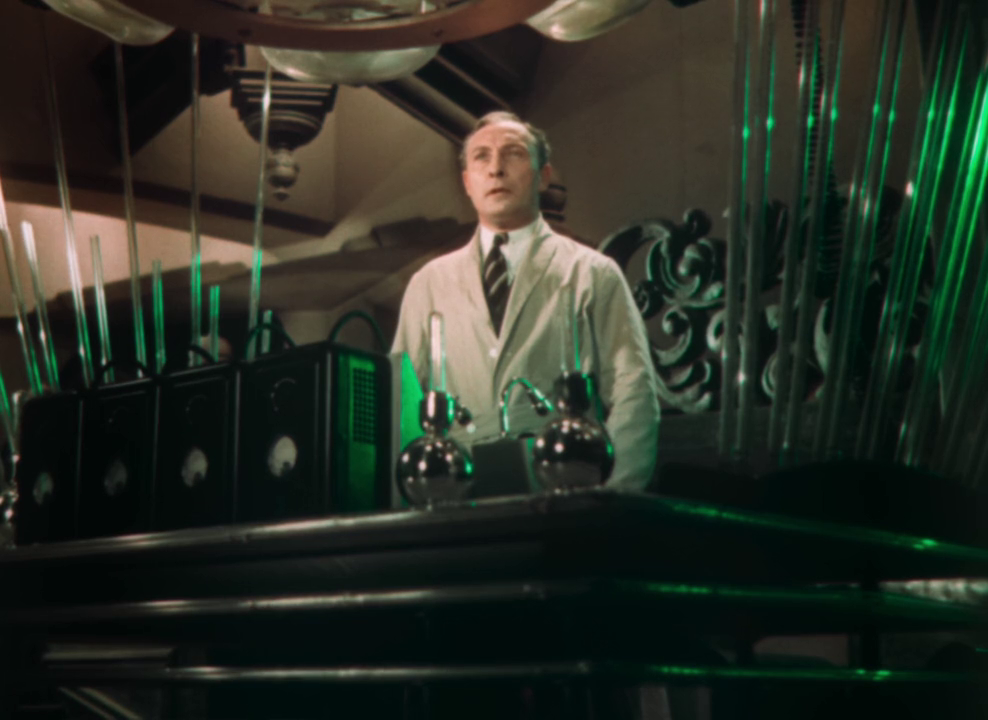
 

Grab the nearest damsel-in-distress and run.

James Whale’s The Old Dark House is a timeless classic that showcases the mastery of early horror filmmaking. Its combination of atmospheric cinematography, skilled performances, and a well-crafted story make it a must-watch for new fans of the genre and cinephiles alike. Whether you're a horror enthusiast or a lover of classic cinema, this film is sure to leave a lasting impression.

Thursday, November 2, 2023

The Most Dangerous Game (1932) – Review

Richard Connell’s short story “The Most Dangerous Game” may be one of the most influential stories ever written, inspiring and influencing countless movies and television shows from Bill Bixby being hunted by a rich asshat in an episode of The Incredible Hulk to Jean Claude Van Damme being hunted by a group of rich asshats in John Woo’s Hard Target, but arguably the best adaptation of this tale was also the first, which pitted Fay Wray and Joel McCrea against, you guessed it, a rich asshat.

Set on a remote island, the story follows renowned big game hunter Bob Rainsford (Joel McCrea) who finds himself shipwrecked and stranded when the yacht he was on was lured into reefs and shark-infested waters by channel markers that had been moved offshore of a small island. As the sole survivor of the wreck, Rainsford stumbles upon the shadowy "fortress" belonging to Count Zaroff (Leslie Banks) where he also meets two other guests, Eve Trowbridge (Fay Wray) and her drunkard of a brother Martin (Robert Armstrong), who were also victims of a shipwreck. What seems like a kindly gesture at first quickly reveals itself as a twisted game of life and death. Zaroff, a hunting enthusiast who has become bored with traditional games, now hunts humans for sport, sending his “guests” out into the jungle where they must try and stay out of his crosshairs until sunrise.


This guy is even creepier than Dracula.

With a sixty-two minute running time, the screenplay by James Ashmore Creelman is a picture of economy, setting up archetype characters quickly and effectively while also setting up the mystery with subtle visual cues and a few lines of dialogue, such as Fay Wray warning Joel McCrea that two sailors who had also survived their shipwreck have not been seen or heard from once invited to see Zaroff’s trophy room, and when the penny is finally dropped and Zaroff’s intentions are made clear we get an interesting twist where the villain doesn’t, at first, intend to hunt the hero but wants him at his side. Needless to say, this partnership is refused and soon both Joel McCrea and Fay Wray are let loose on Zaroff’s private hunting preserve. It's here that the film turns into an intense cat and mouse game, or “Jungle Chess” as Zaroff calls it, with the two men pitting their respective jungle craft against each other.

Note: Leslie Banks’s Zaroff can be considered Hollywood’s first depiction of a serial killer, wonderfully executing a vision of deviant pathology.

One of the more interesting things to note about this film is that it was shot concurrently with that of its bigger budgeted RKO cousin, King Kong, utilizing many of the same sets and actors, Fay Wray, Robert Armstrong, James Flavin and Noble Johnson taking their time away from giant ape action for this production, and while Mercian C. Cooper was directing the special effects scenes on Kong, Ernest B. Schoedsack would use his free time to direct The Most Dangerous Game, along with co-director Irving Pichel, who was brought on to aid Schoedsack as he had never directed a talking picture before and was chiefly in charge of handling the dialogue scenes. Aside from the appearance of Fay Wray and Robert Armstrong, it’s the locations that fans of Kong will notice as much of this film’s jungle sequences utilized the same soundstage and sets.


I almost expected to see Kong accost our two young heroes here.

Stray Observations:

• Some of the screams of the sailors as the ship sank are the same as the screams of the sailors in the 1933 King Kong when Kong shook them off the log.
• If the doorknocker of a spooky stone fortress is in the form of the rapist centaur Nessus, holding the limp form of Hercules’ wife, do yourself a favour and don’t knock, just get back in the shark-infested water as you’ll probably be better off.
• The Spider-Man villain Kraven the Hunter was directly inspired by Count Zaroff, both are Russian and obsessed with hunting “the most dangerous game.”
• The Count’s claim of wanting to hunt the most dangerous game is a little undercut by the killing of Eve’s alcoholic brother. I’m not sure how dangerous he was and his liver was going to kill him sooner or later anyway.
• Zaroff's dogs were Great Danes borrowed from silent star Harold Lloyd. dyed dark to look more menacing, much to the dismay of their owner when returned.
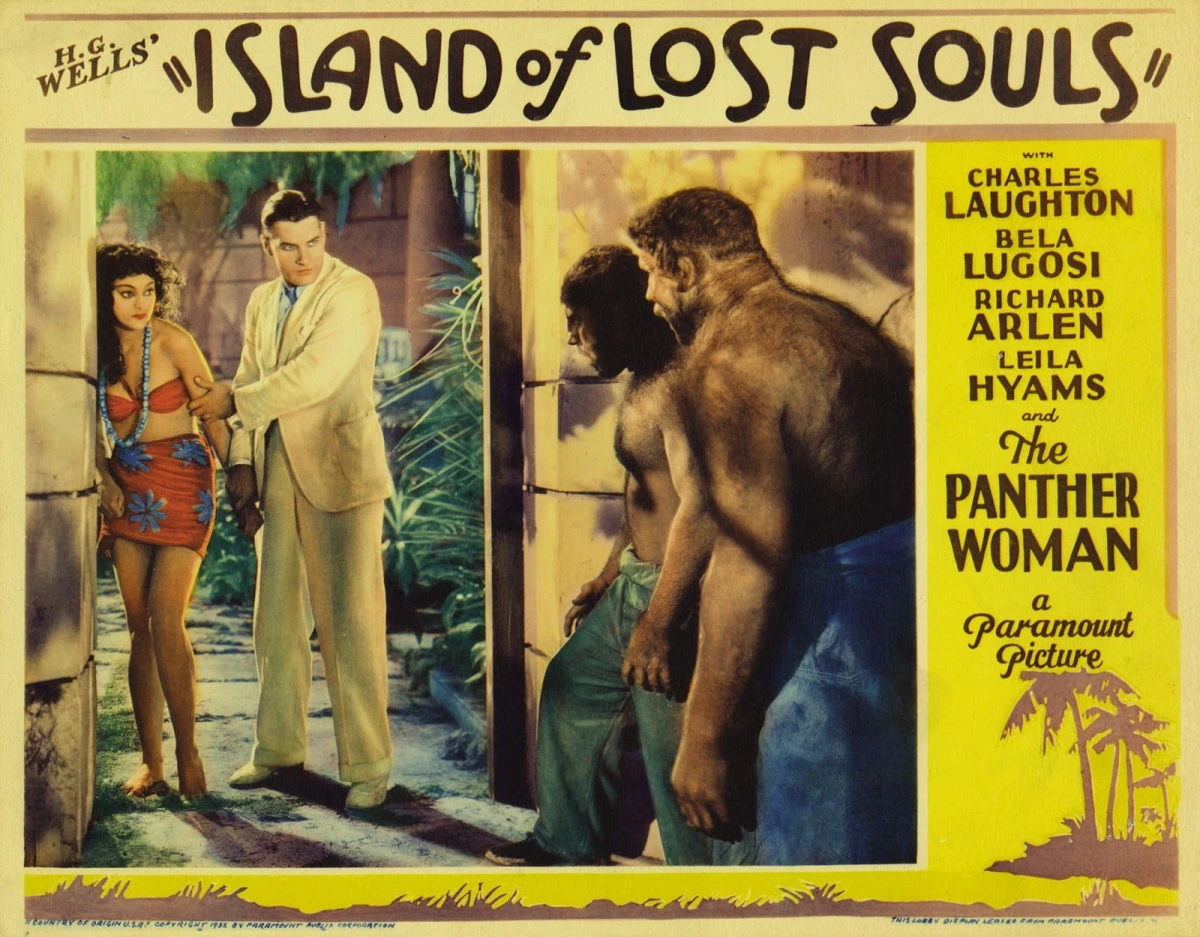
• Fay Wray wears her hair in its naturally brunette colour in this film, as opposed to the blond wig she wore in King Kong.


Proving the adage that Blondes don’t necessarily have more fun.

One of the film's most notable strengths is its ability to create and sustain a palpable sense of tension throughout its running time. From the moment Rainsford sets foot on the island, the atmosphere becomes suffused with an ominous foreboding, heightened by eerie visuals, thanks to cinematographer Henry W. Gerrard and a haunting score by the legendary composer Max Steiner. It is the isolated setting, combined with the dense jungle and dimly lit interiors, that adds an extra layer of claustrophobia to the narrative, and this makes each encounter between hunter and hunted all the more chilling. If the film has one drawback is the script does rather spell out the theme of the movie, with one of the characters early in the picture asking Rainsford about the morality of the hunt and if he would like to change places with the tiger, even going so far as to blatantly asking “If there’d be as much sport in the game if you were the tiger instead of the hunter” and Rainsford replies “That’s something I’ll never have to decide” followed up by “This world is divided into two kinds of people, the hunter and the hunted. Luckily, I’m a hunter. Nothing can ever change that.” This is the kind of statement that will definitely land you on an island where you will be hunted by a madman.


The yacht exploding was almost karmic retribution.

The performances in this adaptation are a definite highlight as Joel McCrea shines as the resourceful and determined Rainsford, capturing the character's transformation from predator to prey with intensity and conviction. Leslie Banks delivers a captivating performance as the refined and sinister Count Zaroff, exuding an air of icy sophistication that conceals his depravity. The dynamic between the two actors is electric, fueling the escalating tension between their characters. More importantly, the film raises thought-provoking questions about the nature of humanity and the line between civilization and savagery as it explores the primal instincts that drive individuals when confronted with life-or-death situations and challenges the boundaries of morality. The Most Dangerous Game prompts viewers to reflect on their own capacity for survival and the choices they might make when pushed to their limits.

Note: The film’s original length was closer to 78 minutes but the tour of Zaroff’s ghoulish trophy room so horrified audiences of the time that only a few shots of severed heads remain.

Furthermore, the movie's pacing is masterfully executed, keeping the audience engaged throughout its relatively short runtime. The tense cat-and-mouse game between Rainsford and Zaroff is brilliantly developed, keeping viewers on the edge of their seats. The screenplay, penned by James Ashmore Creelman, successfully condenses the essence of the original short story, maintaining its suspenseful core while adding a few extra twists and turns. While The Most Dangerous Game is a product of its time, with some aspects that may appear dated to contemporary viewers, it remains a significant milestone in the realm of survival and adventure films. It influenced future works exploring similar themes, including later adaptations and movies such as Predator and The Hunger Games.


"And may the odds be ever in your favour."

RKO's The Most Dangerous Game is a tale of adventure and horror that has stood the test of time and remains a classic and influential piece of cinema, having inspired countless adaptations and thematic variations over the years. Its exploration of survival, morality, and the darkest aspects of human nature still resonates today. With its atmospheric and riveting film that stands as a landmark in the thriller and survival genre. The strong performances, its haunting setting, and thought-provoking themes make this a must-watch for film enthusiasts and a testament to the power of storytelling in classic cinema.

Sunday, October 29, 2023

Island of Lost Souls (1932) – Review

With the success of Universal’s Dracula and Frankenstein, as well as Paramount’s own Dr. Jekyll and Mr. Hyde, the studio must have felt that film adaptations of classic literature were a surefire road to success, unfortunately, to adapt H.G. Wells' novel The Island of Dr. Moreau, a tale of true body horror, they had to work doubly hard to convey what Wells had written without repulsing the public.

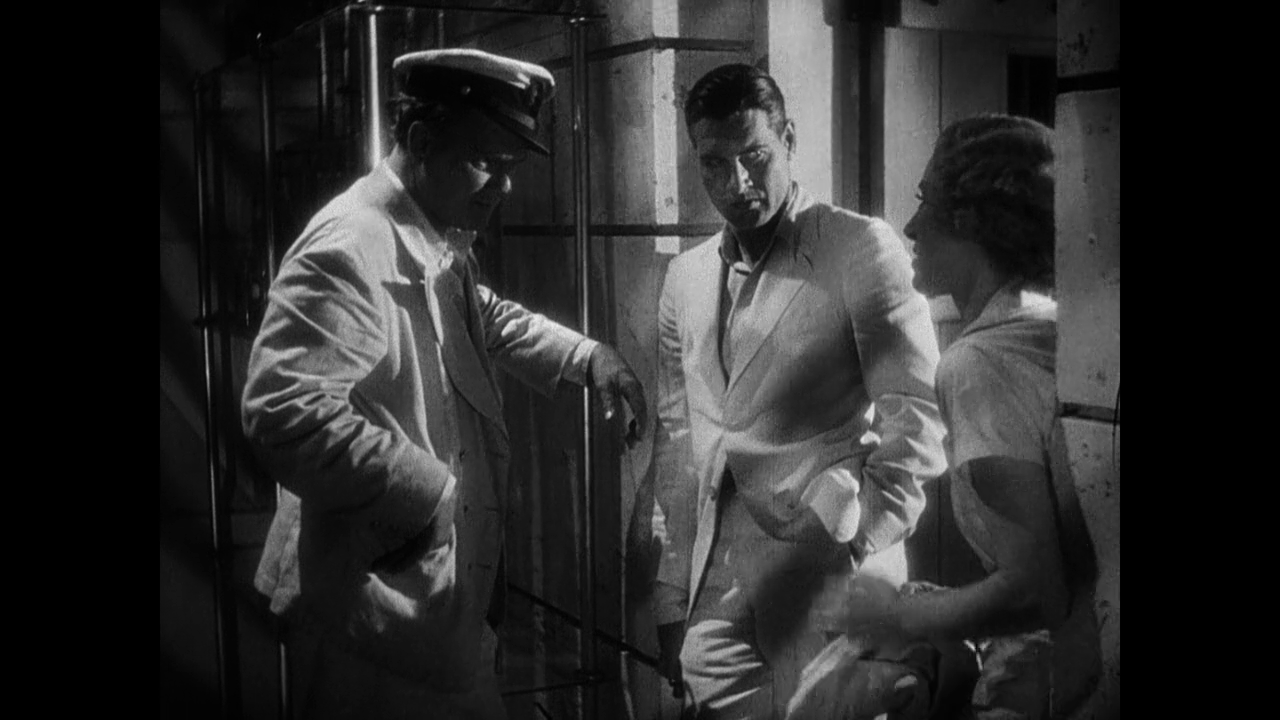
H.G. Wells' novel The Island of Dr. Moreau can best be described as “all setup and no payoff” and thus Paramount took quite a few liberties to this story of the misadventures of a shipwreck survivor who finds himself stranded on a mysterious island ruled by an enigmatic mad scientist. The movie opens with shipwrecked traveller Edward Parker (Richard Arlen) being rescued by a freighter delivering animals to an isolated South Seas island owned by Dr. Moreau (Charles Laughton), but an angry confrontation with the freighter’s captain (Stanley Fields) results in Parker being chucked overboard and into the lap of Dr. Moreau. Parker gets some sympathy from Montgomery (Arthur Hohl), a disgraced doctor who joined Moreau rather than face a prison term in England, but he discovers that the island's inhabitants are not ordinary humans but instead are grotesque creations, half-human and half-animal, surgically altered by Dr. Moreau's mad experiments and he starts to wonder if maybe he hadn’t survived his shipwreck, instead, has actually ended up in Hell.


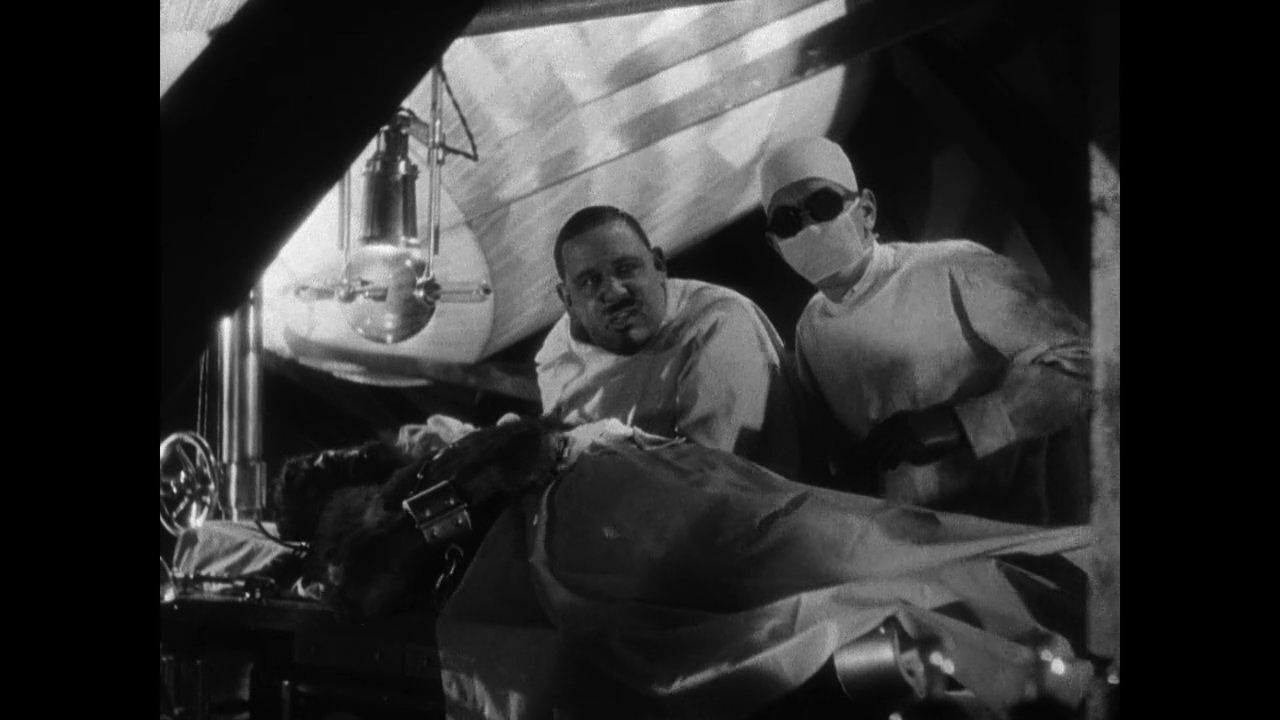
Moreau as a sadistically gleeful Lucifer.

Unlike Dr. Frankenstein, Moreau isn’t using parts from stolen corpses to make his creations, it’s so much worse than that, he is a vivisectionist who believes that he can speed up evolution through surgery and as he is one who clearly doesn’t believe in anesthetic his surgery is aptly dubbed “The House of Pain” and it’s the disturbing screams from his work that alerts Parker to the horrors being committed by the mad doctor. One of the biggest changes from book to film was the addition of Lota, The Panther Woman (Kathleen Burke) because while there is a Puma Woman in the novel, in the movie, Moreau takes the unexpected arrival of Parker as a chance to see how close to human he has reached with Lota, hoping to see if she can love and even procreate with Parker. Needless to say, when Parker leans of Lota’s true origins he becomes enraged, tipped off by her fingers reverting back to bestial claws, but when Parker's fiancée Ruth Thomas (Leila Hyams) learns of her presumed lost love’s actual location she arrives on the island with Captain Donahue (Paul Hurst), who she had persuaded to bring to Moreau's island, and Moreau sees this as another golden opportunity to determine if his “Beast Men” are human enough to mate and sire children.


It’s no surprise that this film was banned in twelve countries back in 1932.

In H.G. Wells’ novel, the character of Dr. Moreau is a cold, detached, and highly intelligent scientist, driven by his desire to reshape and control life and it explores his motivations, his scientific ambitions, and the philosophical questions raised by his experiments, while the movie presented Dr. Moreau as a more overtly malevolent and theatrical figure. Charles Laughton's portrayal of this obsession adds an extra layer of sadistic charm, with a dash of overt sexualism, highlighting the character's manipulation and control over the human-animal hybrids. Not only is the planned rape of Parker’s fiancée absent from the book she is another character created by the filmmakers out of whole cloth – one assumes they believed you can’t have a jungle adventure without a blonde damsel – and this added level of horrors was not something audiences of this time period were ready for.


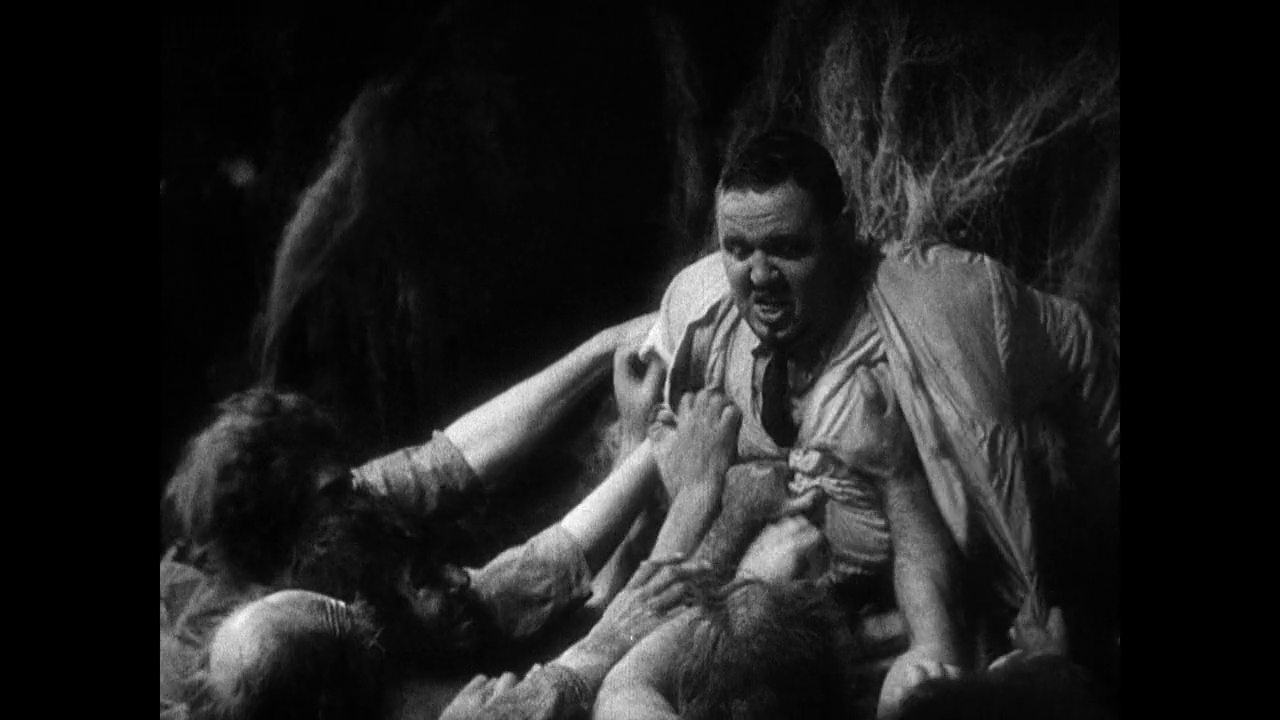
Apes peaking in windows is a definite problem.

While Island of Lost Souls diverges from H.G. Wells' original novel in terms of narrative focus and character portrayals, it successfully captures the essence of the story's darker themes and explores them through its unique visual and atmospheric presentation. Both the novel and the film offer distinct interpretations of the ethical implications of scientific experimentation and the thin line between civilization and savagery, making them fascinating works to compare and appreciate in their own right. Under the capable hands of Erle C. Kenton, this adaptation of The Island of Dr. Moreau is a chilling and thought-provoking pre-code horror film that stands as a testament to the audacity and creativity of early 20th-century cinema. This black-and-white masterpiece explores themes of science, morality, and the fragile boundaries that separate humans from beasts. At its core,  H.G. Wells' story is a cautionary tale about the ethical implications of scientific experimentation and the hubris of mankind as it prompts viewers to question the morality of tampering with nature and the treatment of other living beings, and the film's exploration of these themes is both thought-provoking and deeply unsettling, leaving a lasting impact on the audience.


And don’t worry, Moreau will get his just desserts.

Stray Observations:

• If you are rescued by a boat that is travelling to “An island without a name, an island not on any chart” you’d probably be better off back in your lifeboat.
• As Moreau’s boat approached the island it passed through some heavy fog and I half expected it to reveal a skull-shaped mountain and giant wall.
• Author H.G. Wells hated this film but it remains the best adaptation of his novel, thank god he didn’t live to see Marlon Brando's version, it may have killed him.
• Despite this being an excellent movie it was a box office disappointment for Paramount, not helped by it being banned in several countries, while their rival Universal went on to great success with their adaptation of H.G. Wells’s The Invisible Man a year later. Which Wells, of course, also didn't like.
• Dr. Moreau asks his guest “Mr. Parker, do you know what it means to feel like God?” which has to be the biggest red flag when it comes to mad scientists.


As mad scientists go, there is none madder than Dr. Moreau.

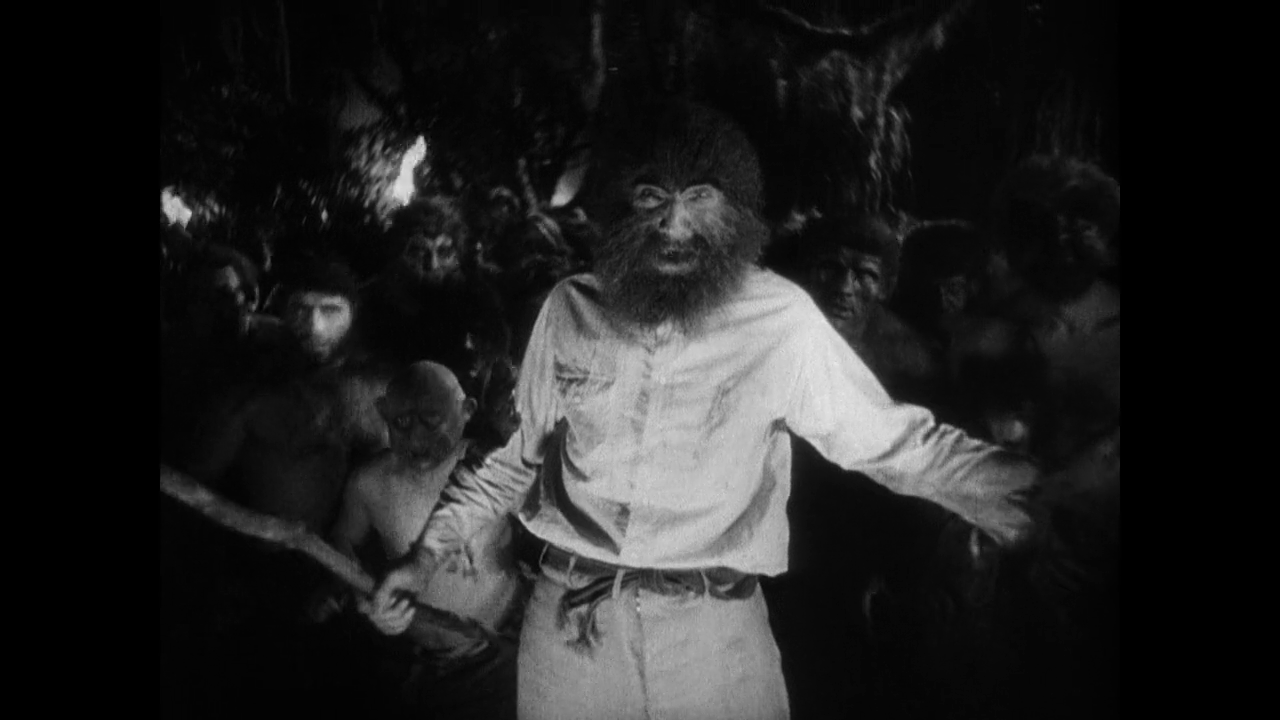
Without a doubt, one of the most important elements that led to this film turning out as good as it is would be in the casting, and leading the charges is Charles Laughton who delivered a standout performance as Dr. Moreau, portraying the character with an unsettling mix of scientific curiosity and a god-like superiority complex. Many actors have tackled this part, from Burt Lancaster to Marlon Brando, but it’s Laughton's commanding presence and distinctive voice, which creates an aura of malevolence, that makes this particular version of Dr. Moreau one of the most memorable and chilling villains in horror cinema. Aside from Laughton’s chilling portrayal of the mad doctor a special shout-out should be given to Moreau’s “Sayer of the Law,” portrayed by the great Bela Lugosi, who may have turned down the role of Frankenstein’s Monster because it involved too much makeup here is pretty much unrecognizable, and he brings an extra level of pathos and betrayal to poor tormented creations of Moreau, and recitation of the law are quite chilling “Not to go on all fours, that is the law. Are we not men?”


Law and Order: Special Monster Unit.

To bring these poor creatures to life relied on the remarkable makeup effects work by Wally Westmore and Charles Gemora and their efforts here enhanced the film's eerie atmosphere and conveyed the unsettling nature of Dr. Moreau's creations. The grotesque makeup of the man-creatures, designed by Westmore, is hauntingly effective, causing discomfort and unease as we witness these unfortunate souls caught between human and animal forms. The Beast People are incredibly convincing, with their grotesque appearances and animalistic mannerisms. Their presence adds an additional layer of unease to the narrative, raising questions about the boundaries of science and the consequences of playing god. While Island of Lost Souls may not possess the graphic violence or explicit content found in modern horror films, its psychological depth and exploration of taboo subjects make it an enduring classic of the genre. It serves as a stark reminder of the ethical dilemmas that arise when humanity oversteps its bounds and plays with the natural order of things.


“We are definitely not coming back here for our Honeymoon.”

Another captivating aspect of Island of Lost Souls is its atmospheric setting and cinematographer Karl Struss uses light and shadow to evoke a sense of isolation and dread. The visuals he provides effectively capture the lush yet foreboding landscape, intensifying the film's macabre atmosphere. Struss’s cinematography is beautifully aided by fantastic set designs which contribute significantly to its overall sense of foreboding. The island is shrouded in an eerie mist, with dense foliage and sinister interiors creating an atmosphere that is both striking and unsettling, heightening the tension and unease that permeate every scene.


Justice for the Panther Woman!

In conclusion, Island of Lost Souls not only stands the test of time as a classic horror film but as one of the better adaptations of an H.G. Wells work, an entry in cinema that continues to captivate audiences with its macabre imagery, powerful performances, and profound themes. It serves as a testament to the enduring impact of early horror cinema and its ability to explore complex ideas that remain relevant to this day. If you appreciate atmospheric horror and thought-provoking storytelling, this film is an absolute must-see.