Blog Archive

Monday, May 25, 2020

Scooby-Doo and the Reluctant Werewolf (1988) – Review

Continuity has never been Scooby-Doo’s strong suit, with ghosts and monster switching between fake and real depending on the particular run of the show, but Scooby-Doo and the Reluctant Werewolf hits new lows by completely ignoring the previous film, one that came out the same bloody year! In Scooby-Doo and the Ghoul School our heroes were briefly teachers for the daughters of the Universal Monsters, where they even had a rather “affable” relationship with the parents, but in Reluctant Werewolf we have Dracula playing the part of lead antagonist for this group of monsters. Now, I didn’t expect this movie to be a direct sequel but having characters perform complete 180s is a symptom of lazy writing.


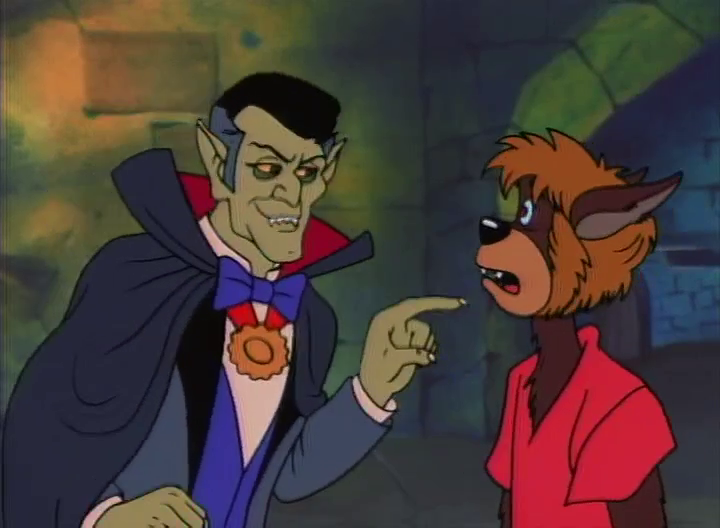
There really isn’t much of plot to Scooby-Doo and the Reluctant Werewolf as this movie is simply a lazy imitation of Hanna-Barbera’s Wacky Races where in this case instead of Dick Dastardly and Muttley we get Dracula and his monster crew. The basic story here is that fearing he will have to cancel the annual Monster Road Rally, due the Wolfman retiring to Florida, Dracula (Hamilton Camp) consults “The Grimness Book of Records” to discover how to get a new werewolf. According to the book, “Every five hundred years the moon comes into perfect position, on three consecutive nights, to create a new werewolf, and it starts tomorrow night” and to seal the deal the book includes a picture of Shaggy (Casey Kasem) as the next person destined to become a werewolf.


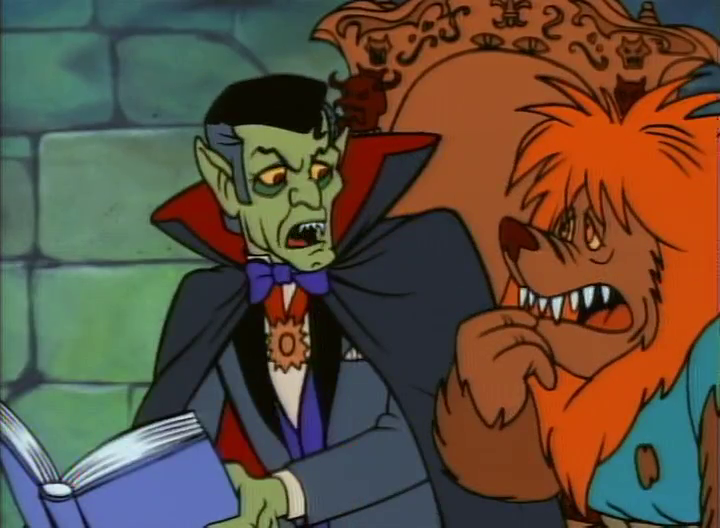
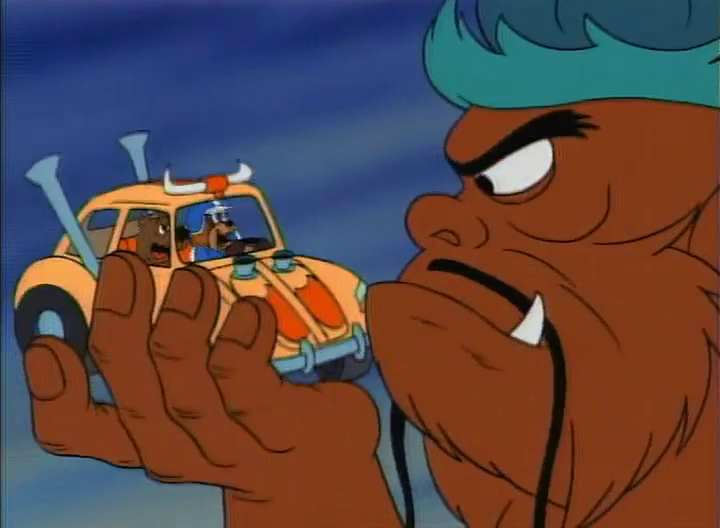
If werewolves are so rare what is that hairy monster next to Dracula supposed to be?

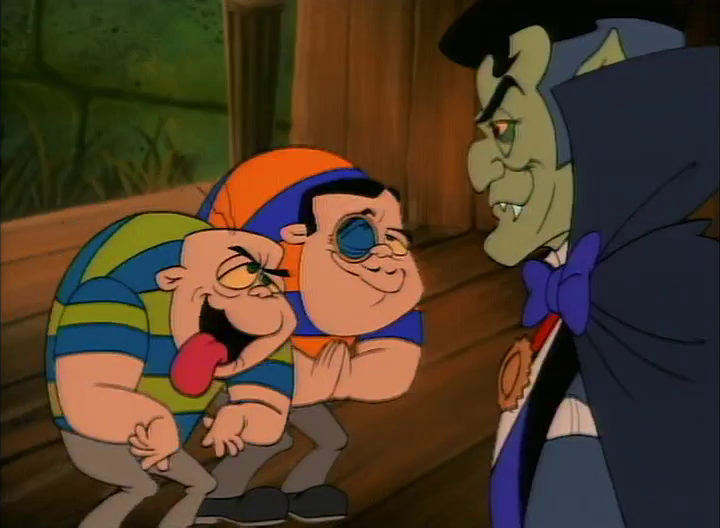
Dracula sends twin hunchbacks named “The Hunch Bunch” to ensure that Shaggy becomes a werewolf, which is rather odd considering the prophecy made this seem like a done deal, but regardless of this unnecessary bit of stupidity these bumbling pair of morons are sent to America to retrieve Shaggy but end up bringing along Scooby-Doo and Scrappy (Don Messick) as well as Shaggy’s "Adoring and liberated girlfriend, Googie" (B.J. Ward ), a character who seems madly in love with Shaggy but is never seen again in any further Scooby television shows or movies.


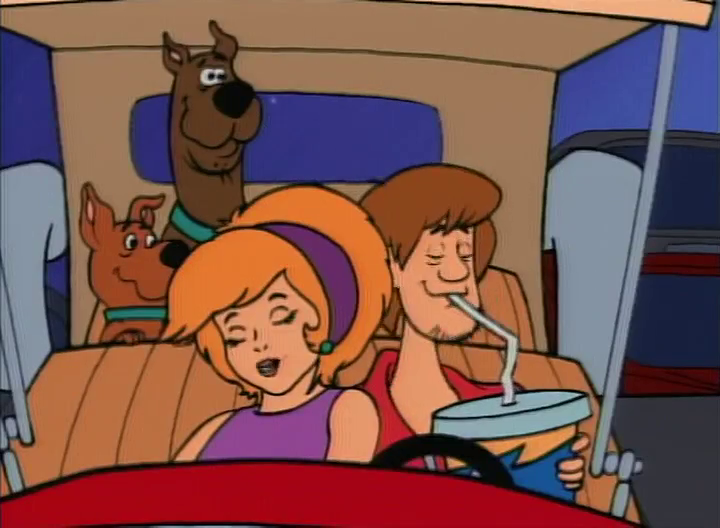
Was she intended to be the new Daphne?

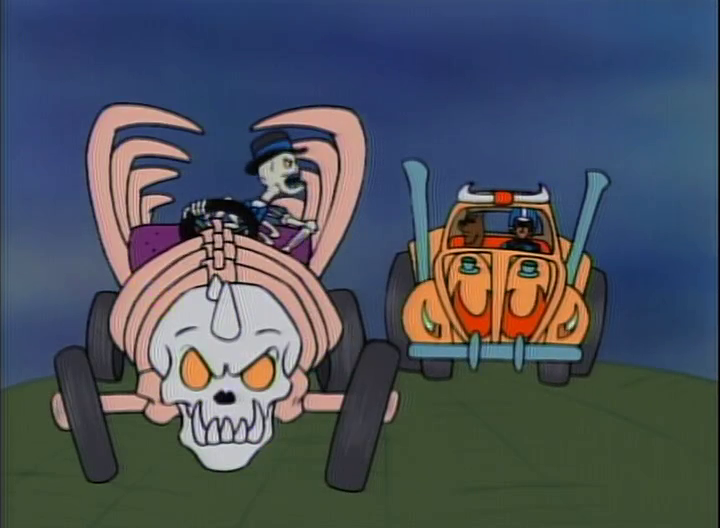
Once Dracula’s hunchbacked henchmen captures are heroes and ferries them off to Transylvania the movie’s “plot” is set into gear when Shaggy refuses to participate in the Monster Road Rally but when facing imminent death he makes a deal with Dracula, stating that he'll race under the condition that if he wins Dracula must return him back to his human state and allow him and his friends to leave. What follows is your standard Wacky Races shenanigans with Dracula doing his best to guarantee that Shaggy and Scooby lose the race and with the “help” of fellow racers consisting of Frankenstein's monster, his wife Repulsa, a Mummy, the Witch Sisters, Dragonfly, Dr. Jackyll/Mr. Snyde, Swamp Thing, and Bone Jangles the Skeleton, who cheat constantly throughout the entire race, it would seem unlikely that Shaggy and the gang could possibly win.


Spoiler: Shaggy and Scooby-Doo win.

Stray Observations:

• From gym teacher to race car driver Shaggy does seem to have numerous talents, though him being an abject coward makes him being a stock car driver rather out of character as racing is one of the more dangerous sports.
• Apparently in this universe being bitten by a werewolf doesn’t spread the curse, instead, you have to wait every 500 years for a particular moonlit night.
• Why did the Hunch Bunch need to go out of their way to expose Shaggy to moonlight? It’s not as if we don’t see Shaggy out and about at night during this prophesied full moon.
• Even this movie’s writers couldn’t come up with an explanation as to why hiccups would cause Shaggy to instantly switch back and forth between his human and werewolf form.
• Dracula literally has a Bat-Copter and a Bat-Plane, not that this makes him much of a caped crusader.
• This is not the first time Shaggy has been turned into a werewolf as it happened before in the episode "Moonlight Madness" from the second run of Scooby-Doo and Scrappy. Only this time no magic medallion was required.
• Shaggy and Scooby find themselves way out in the lead multiple times despite all the sabotage and setbacks that plague them during the race, maybe Dracula shouldn’t have given them such a good car if he wanted them to lose.


I will admit that when Dracula released Genghis Kong I did chuckle a little.

Simply put Scooby-Doo and the Reluctant Werewolf is a bad movie, not even just as an example of a bad Scooby-Doo movie as it fails on multiple levels – if you thought the lazy puns in Scooby-Doo and the Ghoul School where bad they've got nothing on this movie – and once again there isn’t a mystery to solve, nor are Fred, Velma or Daphne anywhere to be seen. The only genuine funny character in this entire film was that of Vanna Pira (Pat Musick), a hybrid of Vampira and Wheel of Fortune’s Vanna White, whose idea of good colour commentary during the race consists of her pointing out random colours, “Like, there’s some brown, and there's some grey and there's some green” and sure, that is a pretty silly a joke but it’s also about the only one that landed in this ninety-minute mess. We certainly could have used more Vanna Pira and less of the Hunch Bunch, because if you want to know what could be more annoying than Scrappy-Doo it’d be these guys.


Even Flim-Flam would be preferable to these idiots.

The sad thing here is that there was a simple way to make this a better movie, make Dracula one of the good guys. In the previous film it’d already been established that Dracula and the Scooby gang were on friendly terms, with them teaching Dracula’s daughter at the Ghoul School, so with Dracula needing a werewolf to enter in the Monster Road Rally he’d approach Shaggy and Scooby for their help.  What could be easier? As it stands we have a movie where Dracula needs Shaggy for the race, to the point where he Shanghai’s him to Transylvania and blackmails him into competing, but then he proceeds to work against him for the rest of the movie. Wouldn't it have been more interesting if Dracula needed them to win the race and that it was some other mysterious villain who was working behind the scenes to see that they failed? A movie where Shaggy becomes a monster is rife with possibilities but the writers The Reluctant Werewolf apparently couldn’t care less.  I’m also not sure what sort of lycanthropy Shaggy suffered from because once he becomes a werewolf he remains one for the rest of the film and doesn’t seem to be affected by the moon anymore.

“Even an idiot who is pure in heart and says his prayers by night may become a wolf when the wolfbane blooms and Autumn moon is bright.”

Scooby-Doo and the Reluctant Werewolf is easily one of the worst of the Scooby-Doo animated movies with its collection of lame jokes and sight gags being something that even most five-year-olds would find tired and boring. The only positive thing I can say about this movie is that it also featured the last appearance of Scrappy-Doo, that is until his return in the live-action Scooby-Doo movie.

Wednesday, May 20, 2020

The Turning (2020) – Review

A modern take on Henry James' novella "The Turn of the Screw" is certainly an interesting idea, sadly, the makers of this film failed to provide anything interesting to the proceedings. Worse is the fact that the film not only fails to tell a comprehensible story but it's also not all that scary.


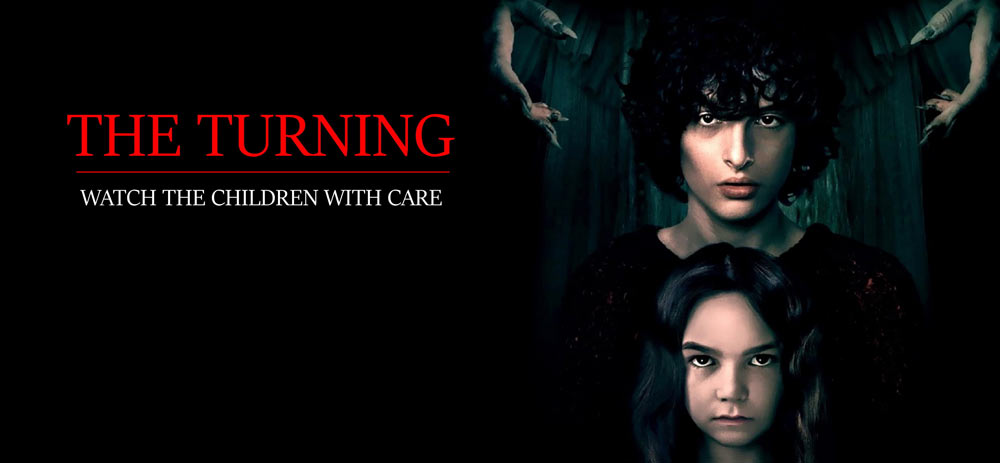
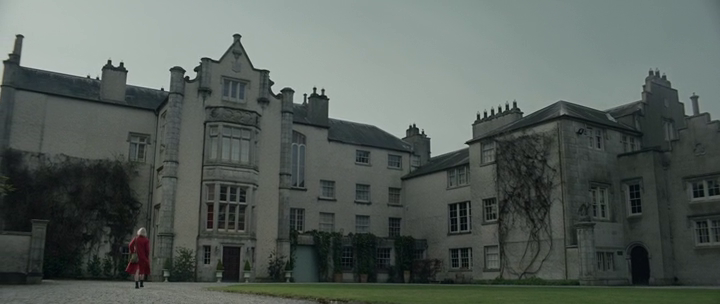
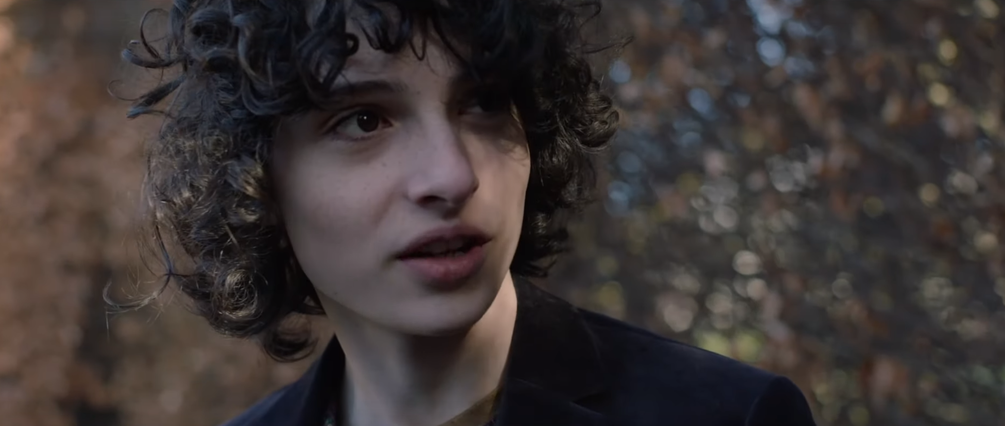
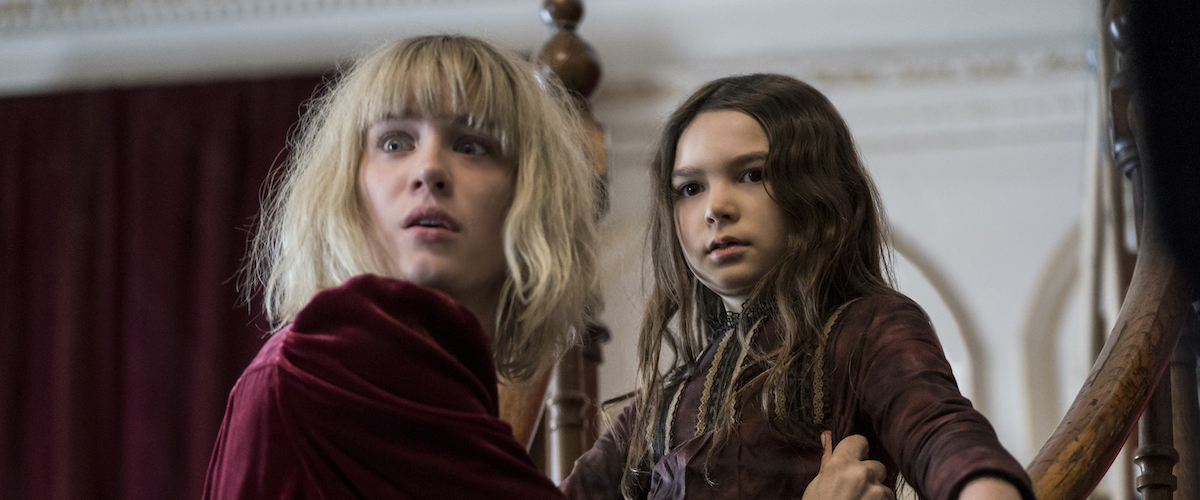
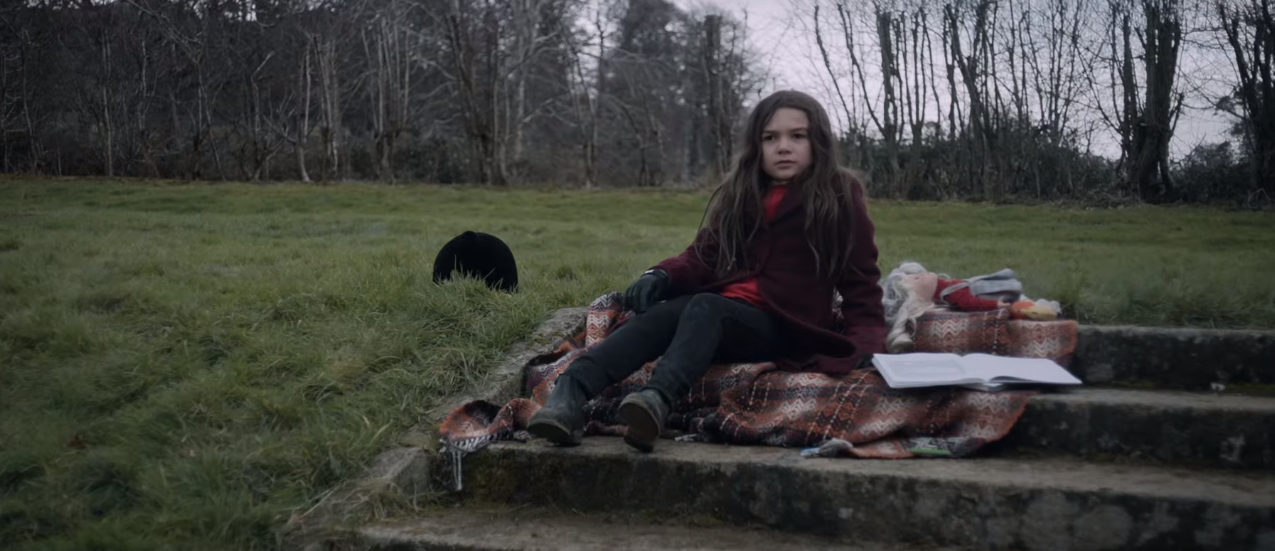
The plot of The Turning follows that over the original novella with Kate Mandell (Mackenzie Davis) taking the job as a live-in tutor at Bly Manor after the previous governess Miss Jessel (Denna Thomsen) had supposedly run off – us having witnessed her being attacked while trying to flee the house know this to be untrue – and her young charge is nine-year-old Flora Fairchild (Brooklynn Prince), a precocious child who seems inexplicably terrified about leaving the grounds. Also in the house is the family’s housekeeper Mrs. Grose (Barbara Marten) who will spout such nonsense as “The children are very special Kate. They're thoroughbreds” and finally we have Flora's older brother Miles (Finn Wolfhard) who arrives home after being expelled from his boarding school for trying to strangle a classmate. Unfortunately for Kate, those are just the “living” residents of Bly Manor and soon she is being plagued by visions of Miss Jessel and the family’s former riding instructor Quint (Niall Greig Fulton), and resident sexual predator, who died shortly after Miss Jessel’s disappearance. The movie tries to keep the audience guessing as to what is real and what is not, which was an important element of the novella, but the script for The Turning is interested in nothing more than cheap jump scares.


What kind of Yelp rating would you give this place?

Warning Signs That You May Be In a Horror Movie:

• You are staying in a large and spooky house.
• If one or more of the previous staff has died or disappeared.
• The housekeeper is a little off-putting and creepy.
• Outside there is a massive hedge maze.
• There is a child with a tendency towards disturbing drawings.
• The place is littered with creepy dolls or mannequins or both.
• Finn Wolfhard is nearby and seemingly nonplussed by the ghostly events.


“Eh, I’ve seen stranger things.”

When watching The Turning it’s clear that director Floria Sigismondi has a lot of talent when it comes to creating a sense of dread and foreboding as the visuals and camerawork are all quite solid, but on the storytelling side of things, she drops the ball big time. A key ingredient to a horror film is getting the audience to sympathize with the protagonist but at no time did I have feelings one way or the other when it came to Kate’s survival as we are given no plausible reason for why she doesn’t bail on this mansion of horror other than her pinky-swear to a nine-year-old girl.


I don’t think pinky-swears even hold up in court.

We get all the standard horror clichés that Floria Sigismondi trots out as if on some kind of time table; ghostly images are seen in a mirror, spectral footprints lead our heroine into danger and loud inexplicable noises abound along dark hallways. If the walls dripped blood and a voice boomed “GET OUT” you couldn’t have gotten more clear signs that it’d be best to pack up your shit and go. Now, the film is trying to make the viewer wonder if all these ghostly shenanigans are due to Kate having mental issues, as was the case in the original novella, but this film ladles on so many “It was only a dream” moments that it causes any sensible person to lose interest in our heroine’s plight. That the film comes to an abrupt ending, with no clear answers to anything and anyone who managed to sit through until the end will most likely walk away pissed off.


Just don't turn your back on the ghosts.

Updating a hundred-year-old story is going to present some problems, society and social standards have changed a tad over the years, but director Floria Sigismondi doesn’t seem to bother to even try and alter the subject matter in a way that makes sense. A key example of this is the disappearance of the former governess Miss Jessel because in the 21st Century if a young woman suddenly vanished there would be many people asking questions, or are we to believe she had no friend and family to be concerned over her suddenly disappearing? In the 1800s I can see authorities not being too concerned with a missing girl but in the 21st Century, this would not fly. They could have easily included a line of dialogue mentioning an ongoing investigation or had a policeman drop by to ask a question or two, but nope, that would imply the writers knew what they were doing.


"Did someone lose the script in the hedge maze, again?"

Of course one of the biggest criticisms that can be levelled at The Turning is that it simply fails at being scary, which is not a good thing for a horror film, but most importantly is the fact that it also failed at making any goddamn sense. A movie doesn’t have to blatantly spell out things for the cheap seats but it also can’t just roll the end credits without coming up with an ending at all. I hope Floria Sigismondi gets another shot at a feature film because she does show some talent behind the camera she just needs to attach her skills to a better script.

Monday, May 18, 2020

Scoob! (2020) – Review

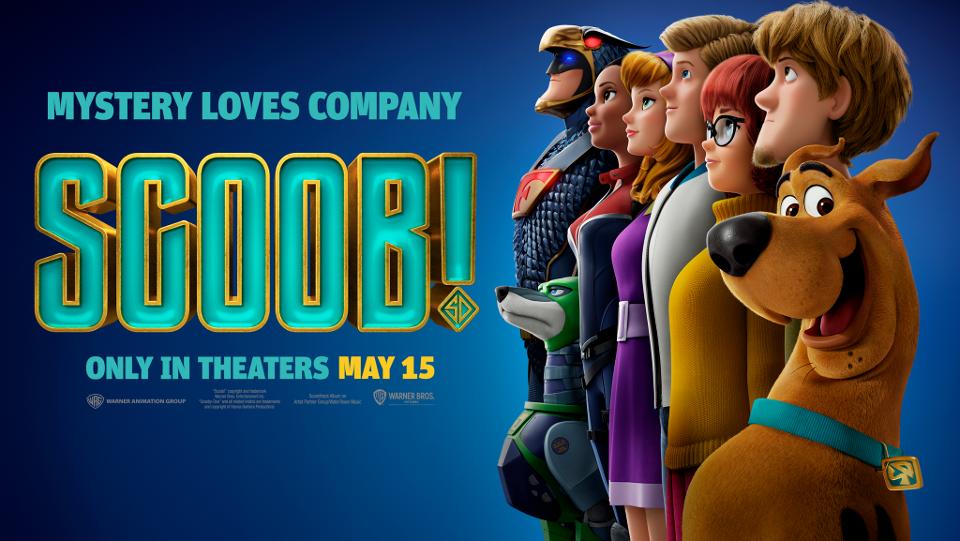
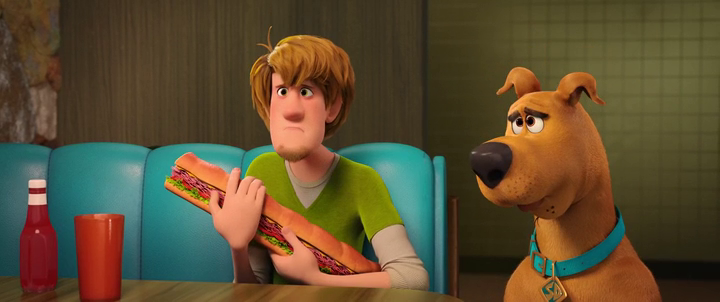
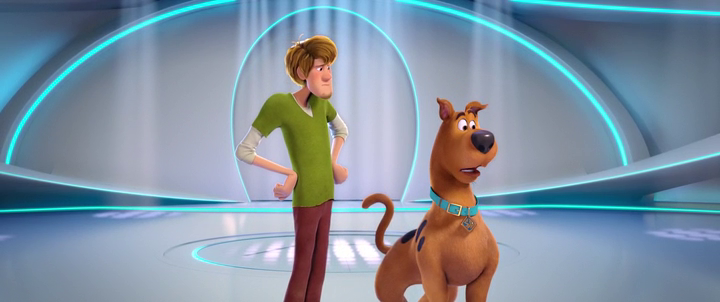
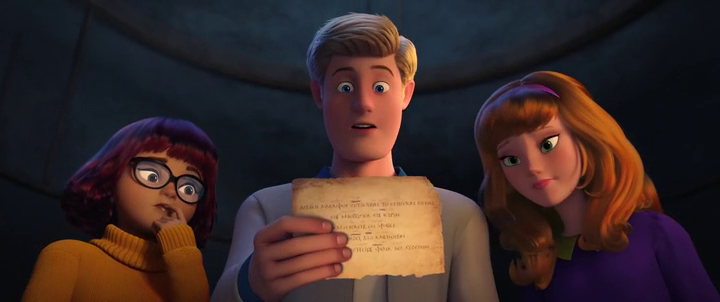
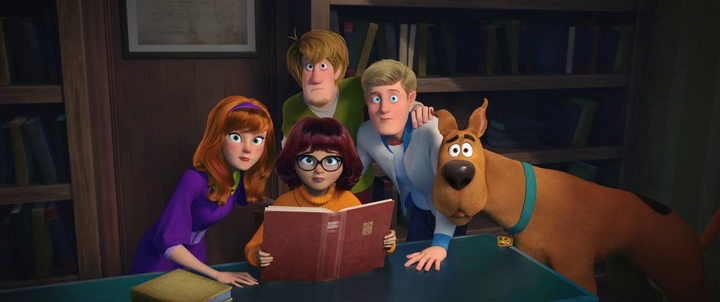
With the release of Scoob! we finally see the Scooby-Doo gang making their big move into computer animation, which is about time considering we’ve already had live-action and even puppet versions of Scooby-Doo, but with this particular outing the writers veered into Scrappy-Doo territory but without actually including Scrappy-Doo, and by that I mean Fred, Daphne and Velma are sidelined for much of the film’s screen time much as they were in the original Scooby-Doo and Scrappy-Doo Show.


The movie opens with a new origin story of how a young Shaggy met a pup named Scooby-Doo and their first mystery team-up with fellow trick or treaters Fred, Daphne and Velma as they bust a crook using a supposed haunted house to hide his ill-gotten gains, but once our introduction to our crime-busting gang is over with the film jumps to present day where Fred (Zac Efron) informs the gang that they’ve got to put Mystery Inc. on a more professional footing if they hope to make enough money to repair the Mystery Machine. Enter Simon Cowell, who explains to the group that if he is to consider investing money into Mystery Inc. they need to be a better group and that means losing the deadwood. He states that Fred is the muscle, Daphne (Amanda Seyfried) is the people person, and Velma (Gina Rodriguez) has the smarts and the technical savvy, while Shaggy (Will Forte) and Scooby (Frank Welker) are the Weakest Links.

Note: None of the group stand up to mention that Shaggy and Scooby have been integral in the capturing of most of the crooks they’ve encountered, even if only as incompetent bait.

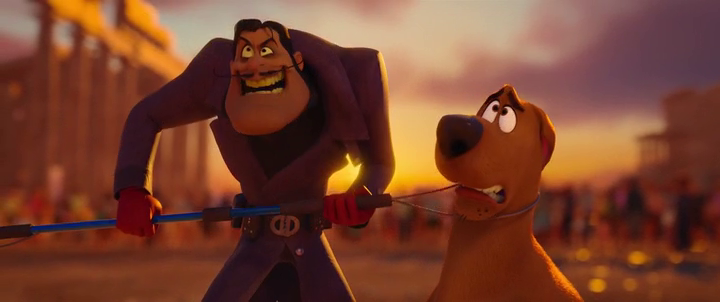
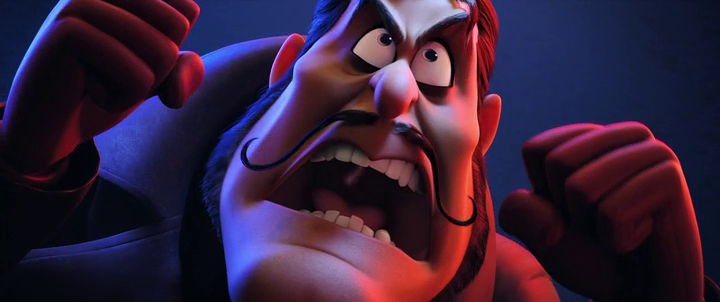
It’s this division in the ranks that propels the story forward as our dejected duo soon find themselves being targeted for collection by Dick Dastardly (Jason Isaacs), who’s on the hunt for three giant dog skulls that will allow him to access a fortune in gold located in the underworld. Turns out the legendary Alexander the Great hid his vast treasure within the Greek Underworld, as one would tend to do, but to “safely” open a doorway a direct descendant of Peritas, Alexander the Great's dog is needed.


Guess what certain Great Dane fills the bill?

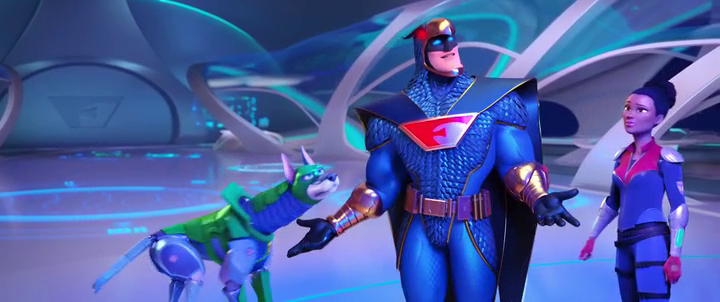
Even as Scooby-Doo plotlines go this one is a tad convoluted, not only does it bring up all this bizarre mythology it also throws in a backstory as to how Dick Dastardly lost his faithful dog Muttley in his first attempt at getting the treasure – in a scene reminiscent of Stargate –  but we also have a whole subplot with the Blue Falcon (Mark Wahlberg) and Dynomutt (Ken Jeong), where we learn that this isn’t the original Blue Falcon but rather his incompetent son, who is an egocentric buffoon with confidence issues stemming from not being as good as his dad.


“Is there anybody here without serious relationship issues?”

With all our characters finally introduced and established, including Blue Falcon’s version of Luscious Fox in the form of Dee Dee Sykes (Kiersey Clemons), who pilots the ship and is mostly in charge of exposition, the mystery is finally ready to get underway, unfortunately, there isn’t much of a mystery to be solved. Scoob! is more of a “treasure hunt” movie, with different teams running around trying to acquire a particular MacGuffin, rather your standard Scooby-Doo mystery.


Think National Treasure but with a talking dog.

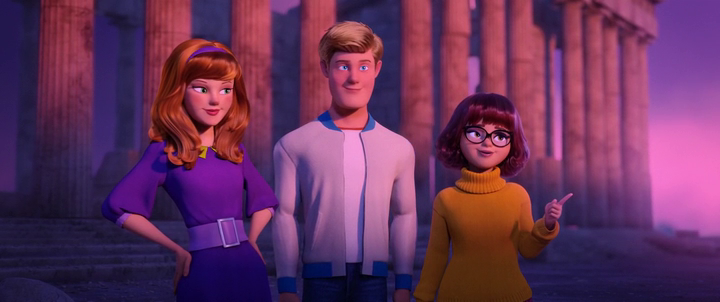
And speaking of teams what is the rest of Mystery Inc. doing while Shaggy and Scooby are flying around with the Blue Falcon?  We do check in on Fred, Daphne and Velma occasionally, as they try and track down the “abducted” Shaggy and Scooby, but they don’t have much effect on the plot other than to hammer in the idea that “friendship is important” during the film’s climax and stating that Shaggy and Scooby are, “The heart of Mystery Inc.”


"At least we aren’t upstaged by Scrappy-Doo this time out."

Stray Observations:

• The title sequence is a nice homage to the opening of the original Scooby-Doo, Where Are You!
• In their “ghostly” encounter at the Rigby House for the first time in Scooby-Doo history the rigging for the fake ghost is quickly spotted by our heroes.
• Apparently, dog kennel registries keep track of lineages of their dogs going as far back as ancient Macedonia. Who knew?
• The three mystical skulls Dastardly needs for his evil plan is a complete lift from the 1996 comic book movie The Phantom.
• The bowling alley where Shaggy and Scooby are attacked is named Takamoto Bowl, after Scooby-Doo's original designer Iwao Takamoto.
• The third skull is located below Messick Mountain, a nice nod to original Scooby-Doo voice actor Don Messick.
• In the original Dynomutt Show it was Dynomutt who was the clumsy comic relief but in this incarnation, it’s Blue Falcon’s son who is the goofball.  Is this another case of subverting expectations?
• We get plenty of references to other Hanna-Barbera animated properties such as Peebles Pet Store from The Magilla Gorilla Show, Dick Dastardly is obviously from Wacky Races, Velma's laptop was from Quest Labs, and posters for Hong Kong Phooey and the Hex Girls can be spotted in the Funland Amusement Park.  These are all pretty fun items for fans to find but there was one painful reference that set my teeth on edge.
 

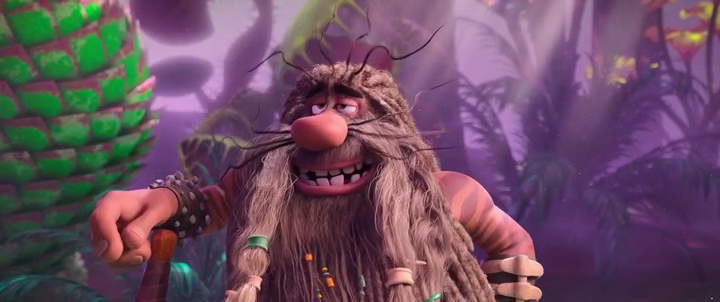
I'm sorry, but this is not my Captain Caveman.
If you’ve been longing to see a return of Captain Caveman this movie may spark some joy but Tracy Morgan was so horribly miscast in the part that I’m thinking more horror than joy will be sparked here, and his signature scream of "Captain Caveman!" is another hollow reference by writers who don't seem to understand the source material.

Director Tony Cervone keeps things pretty lively throughout the films ninety-plus minute running time, with wacky hijinks and shenanigans for the cast of characters to bounce through, but I never once felt like I was watching a Scooby-Doo movie but more a parody of the superhero genre, and part of that stems from the fact that Mark Walhberg’s Blue Falcon looked to be trying very hard to be Will Arnett’s Lego Batman but without the charm or humour. Overall, the writing was fairly uninspired with the nostalgia factor being the only tool the filmmakers had in their belt – references to other cartoons will only get you so far – and without the team dynamic that fans of Scooby-Doo have grown to love all the speeches about heart and friendship will fall rather flat.


“It says here that a cliché will bring this movie to a frightful conclusion.”

On the voice casting side of things, it’s really a shame that only Frank Welker was asked to return as Matthew Lillard’s, who has voiced Shaggy in most incarnations ever since he took the role back in 2002, is greatly missed here as Will Forte sounds nothing like Shaggy, and Zac Efron is so blandly boring as Fred Jones that he’s almost instantly forgettable. Amanda Seyfried and Gina Rodriguez do better as Daphne and Velma but as they are not given all that much to do storywise one must ask why such talented actors were wasted on such thankless parts? The only actor to come out of this thing fairly unscathed is Jason Isaacs as Dick Dastardly, he perfectly captured the nefarious cartoon villain, which brings us back to the problem of plotting. We are given the ridiculous premise of Scooby being needed to open a doorway to the underworld and then the film simply bounces us from one location to the next for the sole purpose of setting up a series of random weak jokes.


"I deserve a better movie!"

On the plus side, the computer animation this film had to offer is at times quite spectacular and re-imagined classic characters are brought wonderfully to life, I just wish they’d married this artwork with a better story. Scoob! is nowhere near the worst of the Scooby-Doo movies but as a film that was supposed to be theatrical released it’s quite disappointing as all the cool visuals in the world can’t hide lazy writing.

Note: The opening title sequence, the one that paid homage to the original show where the gang solved actual mysteries, was an odd thing to include in a film that has no mystery.

Thursday, May 14, 2020

Camelot (1967) – Review

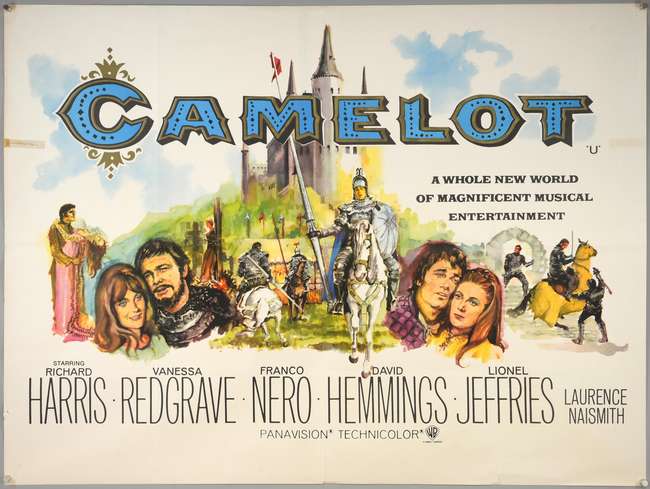
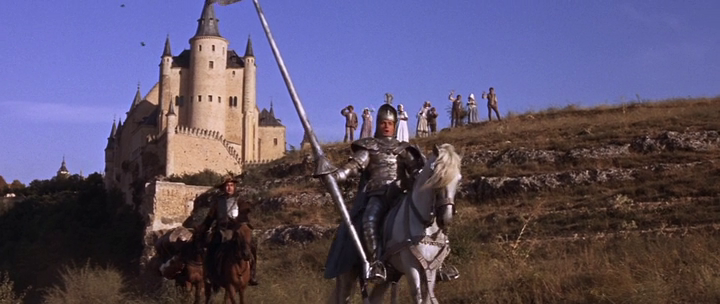
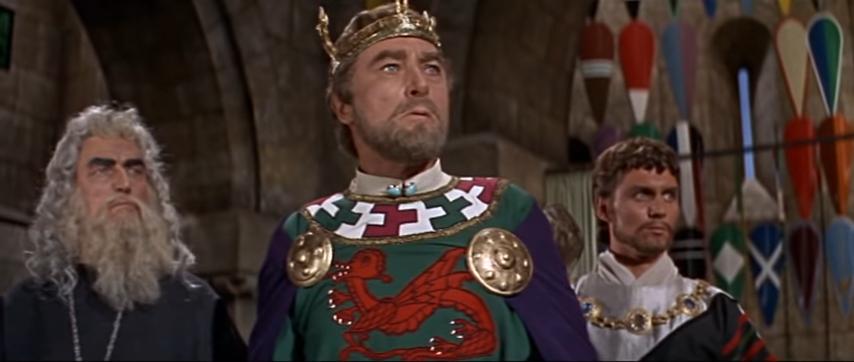
The most surprising thing about Alan Jay Lerner and Frederick Loewe musical Camelot is that it’s really the only musical based on the Arthurian tales we’ve got – that is if you discount Bing Crosby’s A Connecticut Yankee and King Arthur’s Court and the horrible animated film Quest for Camelot – which is odd considering that the epic pageantry of those legends seems like perfect settings for broad musical numbers. Based on T. H. White's The Once and Future King the musical Camelot focuses most of its three-hour running time on the romantic entanglements of Arthur, Guinevere and Lancelot instead of the epic adventures of Arthur and his Knights of the Round Table, this was probably not the best idea.


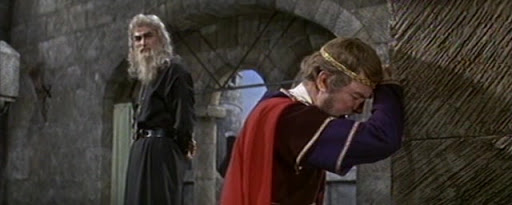
The film has an interesting structure as it begins with King Arthur (Richard Harris) preparing for battle against his long-time friend Lancelot Du Lac (Franco Nero) but when the movie eventually reaches conclusion we don't get to see that battle, the film ends with Arthur stating, “I have won my battle, here is my victory. What we did here will be remembered, you’ll see.” One has to admit that it is a unique storytelling angle, if not completely satisfying, but we also have the three hours of movie that takes between those two moments. So there's that.  It’s while waiting for this particular battle to begin that we find Arthur reflecting on the sad circumstances which had led him to this situation and he asks his childhood mentor, Merlyn (Laurence Naismith), for advice, but as Merlyn has been missing for years – something to do with living backwards through time – his advice is simply, “Think back.” This leads us into the film’s more structured narrative as we get Arthur "looking back" at his first meeting and then betrothal of Guenevere (Vanessa Redgrave) and the decision to form the Round Table under the ideals of “Might serves right, not might makes right.” This leads to Lancelot arriving in England to join Arthur in this noble venture.


“The kingdom is alive with the sound of music.”

As musicals go, I’ve sat through worse, but none of the songs of Alan Jay Lerner and Frederick Loewe really resonated with me – there are a dozen songs and some seem to go on for an interminable length of time – and Richard Harris and Vanessa Redgrave aren’t terrible singers though they both tend to utilize the “Speaking Singing” technique that Rex Harrison developed for My Fair Lady. The songs' present intent to support the story, giving us emotional insights into the characters and their goals, but as the age-old love triangle is nothing new I found myself thinking “Get on with it!” during some of the numbers.


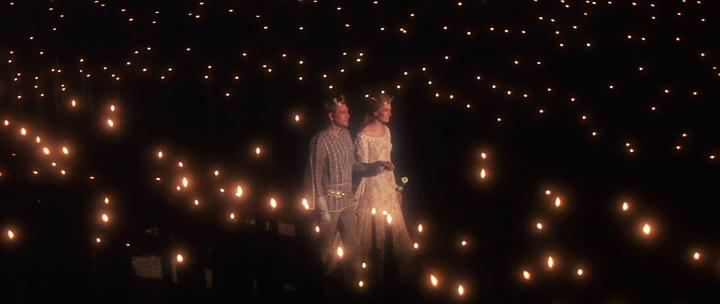
"Is this a wedding or a candlelit vigil?"

Stray Thoughts:

• I would have loved to have seen this movie with the original stage cast, Julie Andrews as Guinevere and Richard Burton as Arthur.  Sadly, both actors declined to participate.
• The character of Morgan le Fay was featured in the Broadway version but in this movie adaptation she has sadly been excised.
• Arthur has his message of collecting knights for a “Round Table” delivered all over the kingdom, but why such parchment is wasted on all the commoners is beyond me. It’s not like a peasant is going to get a seat at the table so why hand them invitations?
• King Arthur has a “Meet Cute” with both Guinevere and Lancelot.
• The character of King Pellinore, as portrayed by Lionel Jeffries, bears a remarkable resemblance to the White Knight from Lewis Carol’s Through the Looking Glass.
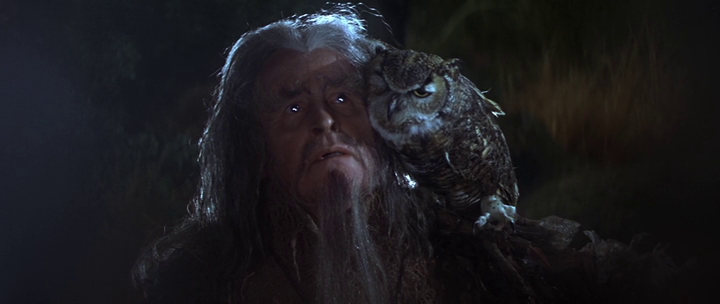
• Merlin does make an appearance in this movie but he’s treated mostly as an extended cameo.


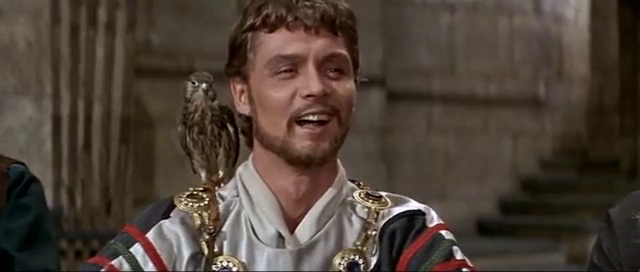
“Have you seen my owl, he's quite lovely."

One could almost consider Camelot to be a sequel to the Disney animated film The Sword in the Stone as both films are based on T. H. White's The Once and Future King but where the Disney film dealt with Arthur as a young boy, ending with him pulling the sword from the stone, this film foregoes all this and begins years later with Arthur forming the Round Table, while stories of pulling Excalibur free and being taught by Merlin we only hear about in passing.

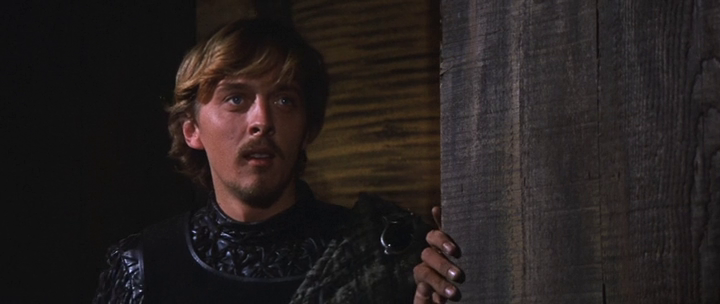
Aside from the drama of the ill-fated romance between Lancelot and Guinevere we also have the arrival of Arthur’s bastard son Mordred (David Hemmings), who is allowed to join the Knights of the Round Table for fairly contrived reasons, and he spends most of his brief screen time fermenting rebellion amongst the knights, which is not at all that helpful to the narrative as he doesn’t arrive until about the two-hour mark.


“I’m sorry, was that my cue?”

When the movie finally ended I was left asking, "Where’s the search for the Holy Grail, what about the Green Knight or Morgan le Fay?" Sadly, I was left with no satisfactory answers.  I'm sure fans of Camelot will point out the ornate sets and the visually beautiful staging of such a lavish production that makes this a classic, and you will get no argument from me there as the sets and locations looked damn impressive, but at a three-hour runtime, it needed more to hold itself together other than a tepid romance between two beautiful people and Richard Harris.

Monday, May 11, 2020

Scooby-Doo and the Ghoul School (1988) – Review

When it comes to the idea of employment the Scooby-Doo franchise has been rather loose with how our cast of characters earns gas money. Shaggy and Scooby weren’t selling pot on the side to pay for all those immense Submarine Sandwiches - despite this being a fair assumption - they were often seen to have gainful employment, from working at the Fearless Detective Agency for Shaggy’s Uncle Fearless during the run of the Scooby-Doo and Scrappy-Doo show or they'd join Daphne as intrepid reporters for Peep-Hole Magazine, but it was in this 1988 movie that we find Shaggy, Scooby and Scrappy-Doo taking on one of their most dangerous jobs yet.


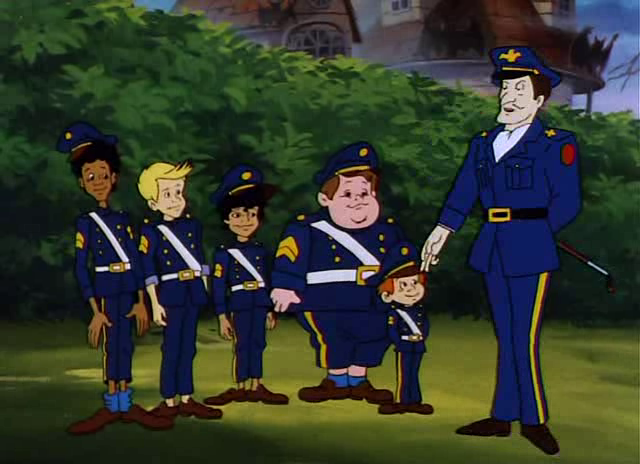
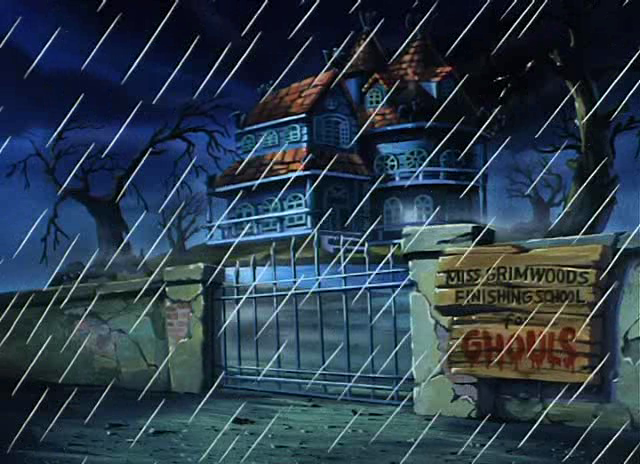
In Scooby-Doo and the Ghoul School Shaggy (Casey Kasem), Scooby and Scrappy-Doo (Don Messick) take a job as gym teachers at a finishing school - the fact that any educational institution would hire a beatnik and two dogs as teachers should have been a red flag to our trio - but this particular 80s animated Scooby-Doo movie is another entry that lacks any real mystery with this movie having more in common with such Hanna-Barbera shows like Wacky Racers than with the classic Scooby-Doo mysteries. The basic premise of this movie is that our trio of nitwits has been hired by Ms. Grimwood (Glynis Johns) as gym teachers to train the girl-ghouls in volleyball so that they can finally defeat the Calloway Military School For Boys located next door.  Sure, that sounds reasonable.

Note: It’s rather odd to see a sports rivalry movie where one team consists of girls and the other of boys, was Scooby-Doo trying to be gender progressive here?

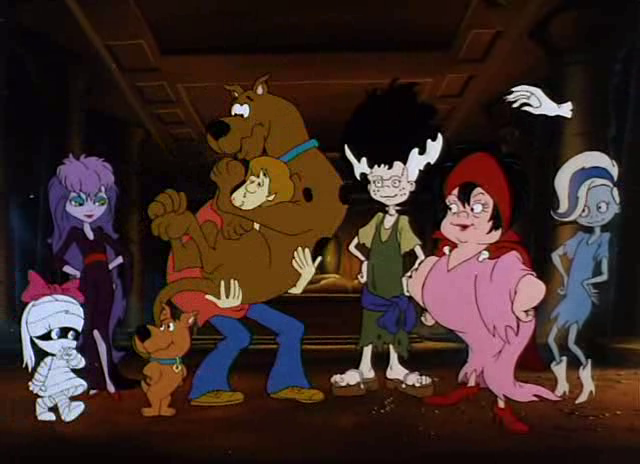
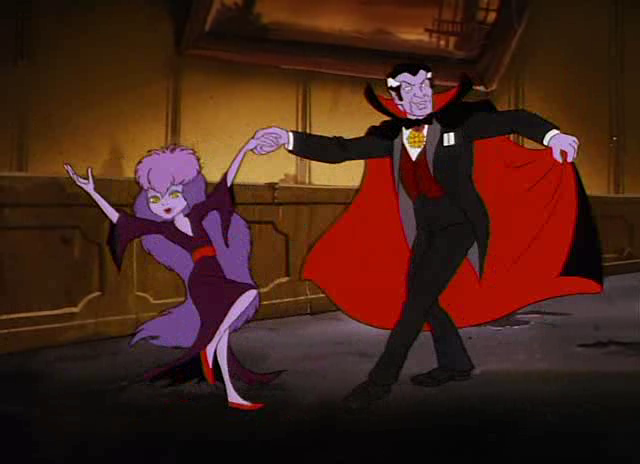
Needless to say, both Shaggy and Scooby are shocked to learn that their pupils are the offspring of famous monsters as the student body consists of Sibella (Susan Blu), the daughter of Count Dracula, Elsa Frankenteen (Pat Musick), the daughter of Frankenstein's monster, Winnie (Marilyn Schreffler), daughter of the Wolfman, Phantasma (Russi Taylor) the ghostly daughter of a phantom, and finally, we have Tanis (Patty Maloney) the daughter of the Mummy.  Now, despite the abject terror of their monstrous charges Shaggy had signed a contract, which had been witnessed by Scooby and Scrappy, so there was nothing they could do but settle in and do their best at prepping these girls for the big game.


Apparently Shaggy and Scooby were more afraid of lawsuits than they were of monsters.

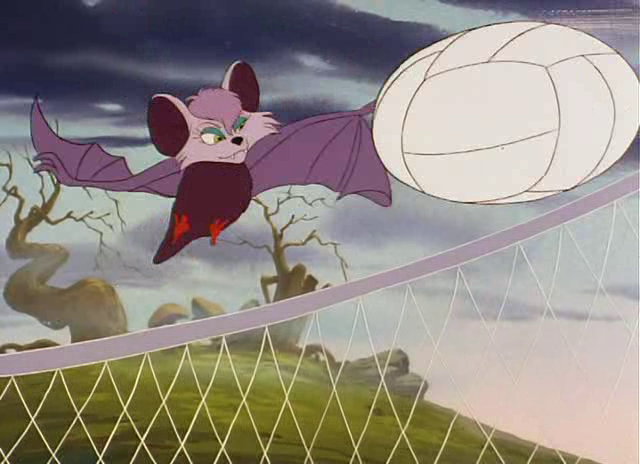
The key problem with Scooby-Doo and the Ghoul School is that to make this a feature-length movie the producers felt it necessary to cram two completely separate story elements together to make one full movie. The first half of the film focuses on Shaggy getting the girls in shape for their annual volleyball game, with meal breaks that sadly consisted mostly of rotted food, and then the big game itself.  It's here where we get the Ghoul School using their monstrous abilities to win the game despite the boys from Calloway Military School attempting to cheat by using jetpacks and a remote-controlled volleyball.


Question: Can it be considered cheating if your opponents have inherent magical abilities?

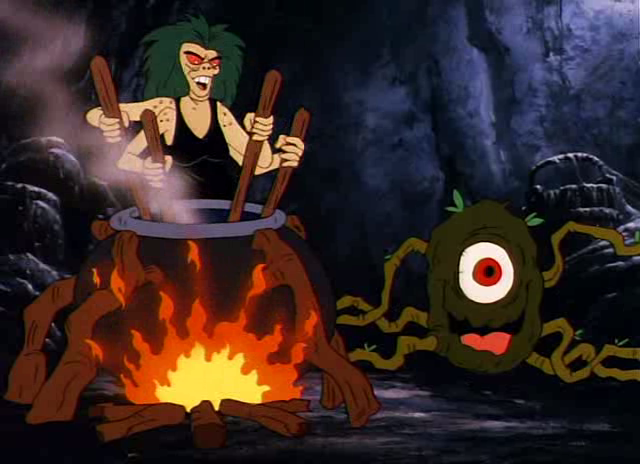
Now, the competition between the Ghoul School for Girls and Calloway Military School is only the first half of the movie because once the girls win the game the story shift focus to a plot to take over the world by the evil witch Revolta (Ruta Lee), who wants to capture and enslave the girls because she believes their parents have gone soft. That's cartoon logic for you.  She is aided by what looks to be a tentacled pickle called The Grim Creeper (Andre Stojka), who is your standard cartoon evil minion and by that I mean goofy and incompetent.


Do these two look like an actual threat to the world?

Stray Observations:

• Though labelled a Finishing School for Ghouls none of the pupils are actually ghouls, a ghoul is a humanoid creature that is associated with lurking around graveyards and consuming human flesh and none of the girls qualify for that category.
• I’m not exactly sure how undead creatures like Dracula and The Mummy or popping out children.
• This movie also ignores the fact that Shaggy and Scooby had already met Dracula back in “Who’s Minding the Monster” from The New Scooby-Doo and Scrappy-Doo Show.
• Elsa Frankensteen is an obvious reference to Elsa Lanchester who played The Bride of Frankenstein.
• Shaggy is hired to help the Ghoul School win their annual volleyball game against the Military school but at no time does he ever give them a volleyball lesson.
• Strange that when there is an open house at the school only the ghoul girl’s fathers attend, does this cartoon follow the Disney rule of having at least one dead parent?
• Despite competing with them in annual volleyball championships Colonel Calloway somehow remained unaware that the All Ghoul-School was a school for monsters.


Dude, it's right in the name.

Neither the volleyball competition nor the evil plot being hatched by the witch rises above mildly interesting and they clearly belonged in separate movies, yet an entertaining movie was still possible if any of comic hijinks or jokes had landed, sadly none do. So, if you are a fan of lazy-ass puns and tired slapstick then you may find some enjoyment out of watching Scooby-Doo and the Ghoul School but I can’t recommend this to anyone over the age of seven
.

Question: Could this movie have been a precursor to Adam Sandler’s Hotel Transylvania?

Thursday, May 7, 2020

Sword of Lancelot (1963) – Review

A central story element of many King Arthur movies would be the tragic love triangle between Arthur, his wife Guinevere and his noble champion Lancelot but in this 1963 British production, this doomed love story is the bulk of the film’s narrative. Mostly based on French chivalric romances, with some borrowing from Le Morte d'Arthur by Thomas Malory, the movie Sword of Lancelot – known as Lancelot and Guinevere in Britain – gives us an in-depth look at the infidelity and betrayal that brought down a kingdom. Love may conqueror all but it also destroys.


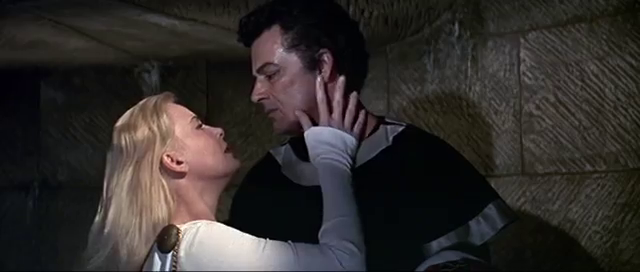
In this version of the Arthurian tale we find an older King Arthur (Brian Aherne) trying to unite Britain with an arranged marriage to Guinevere, King Leodogran's daughter, unfortunately, Leodogran also lays claim to Arthur’s throne and will only bend the knee if his champion is defeated in single combat. Sir Lancelot (Cornel Wilde), being Arthur’s greatest knight, volunteers his services and rides off to do battle, and not only does he win the combat – against a cheating knight – but he also wins the heart of the fair Guinevere (Jean Wallace) and thus the love story begins as does the downfall of Camelot.

Note: Jean Wallace was Cornel Wilde’s real-life wife at the time and their chemistry together literally burns up the screen.

With this particular Arthur and Guinevere we’re talking a serious May-December romance as the actors sported a twenty-year age difference but this worked well for telling of the tragic love triangle as the Guinevere in this movie has only eyes for Lancelot and only marries Arthur out of a sense of duty.

Arthur himself is portrayed as a smitten schoolboy who doesn’t realize that when his much younger wife says “I love you” she actually means “I’d love to ride your best friend up and down the castle halls.” Actor Brian Aherne does an excellent job taking his version of Arthur from naïve bridegroom to saddened cuckold without losing our sympathies, well, when he orders Guinevere burned at the stake “For the sake of the kingdom” our sympathy does get a bit shaky.


He does feel really bad about it though.

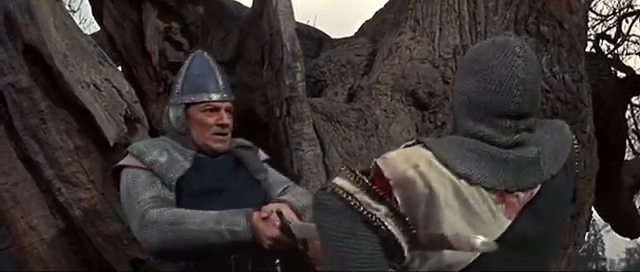
The standout in this film is, of course, Cornel Wilde as Lancelot; his tortured knight goes from loyal friend to killing his fellow Knights of the Roundtable as he escapes Camelot when his affair is uncovered – a side of Lancelot I hadn’t seen depicted before – but as in the case of Arthur his actions are understandable even though the motivations are a little suspect. Watching this film Wilde’s passion for the project is clear throughout every element of production – helped by the fact that not only does he star as Lancelot but he also wrote, produced and directed the film. In this film you will see stuff not found in its Hollywood contemporaries; the love scenes are steamier, the violence is more graphic and the battle scenes actually take into account medieval tactics and formations. There is not of that flourishing swordplay found in films like The Adventures of Robin Hood because as cool as that stuff is too watch it just wasn’t done at the time, and certainly not possible with something as heavy as a broadsword. In the Sword of Lancelot we get men brutally hacking at each other with the finesse of a local butcher.


“Tis but a scratch.”

The film doesn’t solely rely on the conflict between our three lovers as we also have Sir Mordred (Michael Meacham), Arthur's illegitimate son, plotting the death of Guinevere as any child of hers would be heir to the throne and supplant whatever claim he has. His skullduggery revolves around hiring a band of mercenaries to ambush Lancelot and Guinevere while they travel to Camelot, or having his main squeeze Lady Vivian (Adrienne Corri) spy on the young lovers so as to expose their betrayal to the King. But as this film is more about Lancelot and Guinevere, and not the usurper of Arthur’s throne, this is given very little screen time – the murder of Arthur even happens off-screen – but Meacham is one of those actors that can do a lot with a little and his Mordred is more than suitable villain for this story and he certainly seemed to be having fun with the part.

“I would tie Guinevere to the railway tracks but sadly trains haven’t been invented yet.”

Stray Observations:

• This is a rare version of Lancelot where he is correctly portrayed as being from France, his full name being Lancelot du Lac, meaning Lancelot of the Lake.
• Hungarian actor Cornel Wilde does his best with a French accent. Points for trying.
• While en route to Camelot Lancelot bathes in a small pond with Guinevere. Not the brightest thing to do with your King’s betrothed.
• Merlin is a key advisor to the King but no actual magic is on display here.
• Considering the film’s age the battle scenes on display here are on par with anything seen in films like Braveheart or Gladiator.
• We get the villainous Mordred but no sign of the enchantress Morgan le Fay.


Note: Actor Brian Aherne also played King Arthur in the 1954 movie Prince Valiant.

As Arthurian films go Cornel Wilde’s Sword of Lancelot is easily one of the best depictions of this tragic love story, one that brought down the fabled Camelot, and though the likes of Morgan le Fay, Excalibur and the Holy Grail are missing this is still one of the best adaptations of Arthurian myth. If you are a fan of the genre and enjoy a good love story, portrayed by two fantastic actors, then the Sword of Lancelot is a must-see.


“I should have known better than to trust a Frenchman!”

Monday, May 4, 2020

My Covid-19 Disney Channel Movie Marathon

When you’re stuck at home for a long period of time you may find yourself watching stuff you may not normally have bothered checking out and being a huge lover of all things Disney I thought to myself, "What better time to catch up on some fun Disney Channel Originals than during a worldwide pandemic?"

Note: When it comes to these films there is a good chance the school is heading to the state finals, a geek or nerd will hook up with the hot popular girl and that one or more parents are not among the living, which was almost a prerequisite for a Disney film.


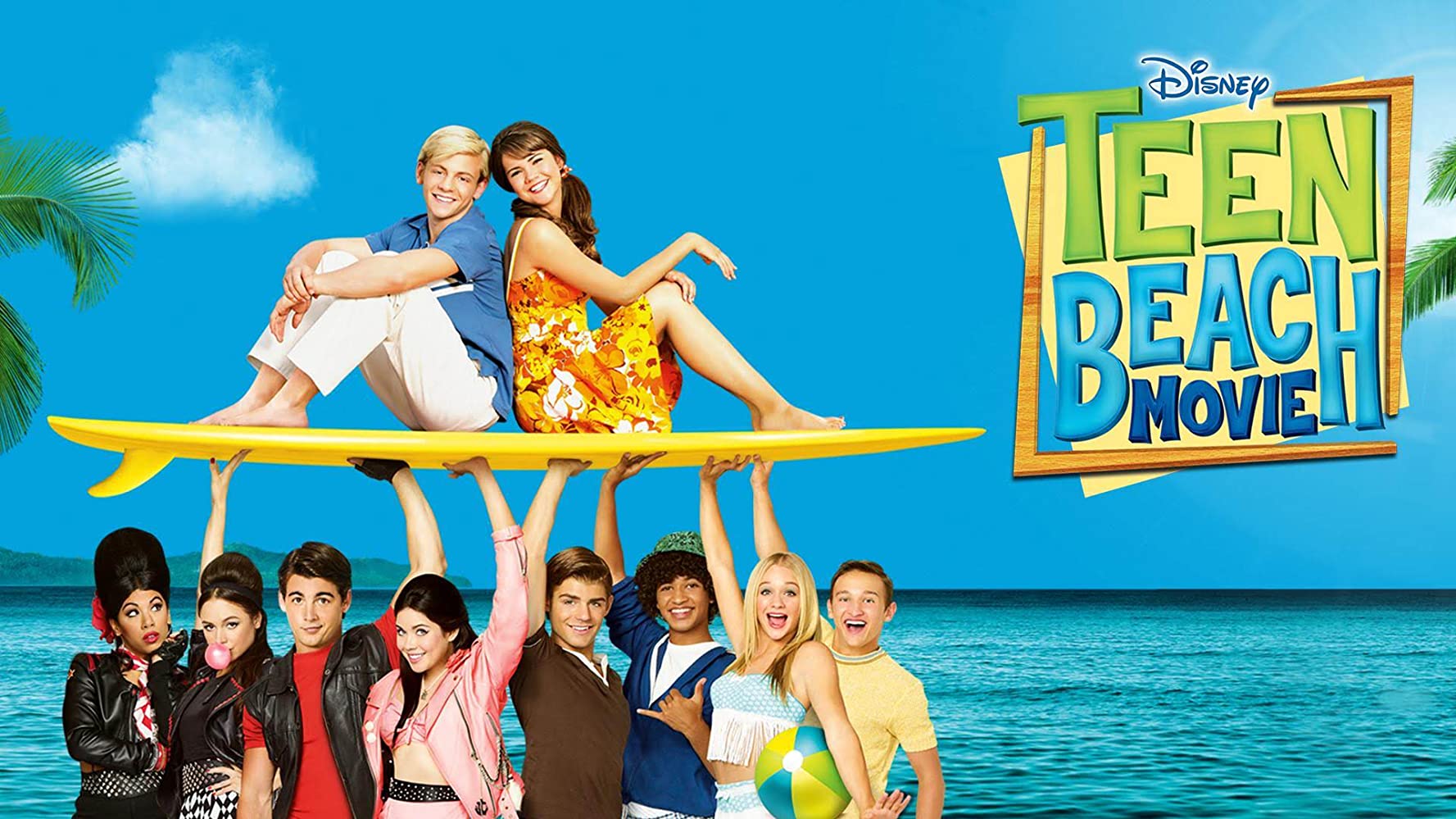
Teen Beach Movie (2013) This film is a loving tribute to the Beach Blanket Bingo movies starring Annette Funicello and Frankie Avalon of the 60s only with the delightful added wrinkle of our two protagonists from the "Real World" being trapped inside a cheesy beach musical called Wet Side Story.

As a concept, it's certainly not all that original but I truly think this film pulled it off better than what Arnie and company did with their film the Last Action Hero, and I dare anyone not to get a big grin on their faces when the two leads involuntarily burst into song. This is a completely fun and engaging movie that offers the simple life lesson of "Follow your heart." This is the kind of movie I can't help but love.


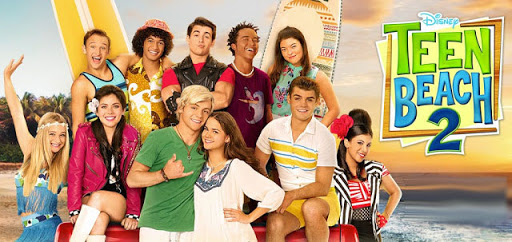
Teen Beach 2 (2015) As a sequel to Teen Beach Movie this one has a bit of a rough start, what with the Mack and Brady morphing into rip-off versions of the leads from High School Musical and the obligatory forced conflicts due to their different likes and interests - why Brady would hide his love of designing surfboards makes no sense whatsoever - but the movie pulls itself out of its nose dive when Lela and Tanner, who were the leads from the 60s musical Wet Side Story, leave their movie and escape into the real world. There is a lot of fun "Fish out of Water" comedy with Lela and Tanner dealing with the 21st-century technology but we also get a nice twist where they have an effect on the real world as well, such as causing the school cafeteria to break out into a musical number and any modern piece of clothing Lela puts on morphs into a 60s version of it. Another interesting wrinkle is that back in Wet Side Story the cast of remaining characters find themselves in a movie that is suddenly stationary, with its two leads missing the story can't progress, which is very much like Woody Allen's Purple Rose of Cairo and it leads to some really funny bits.

Note: The filmmakers clearly didn't put a lot of work into the paradoxical structure of this movie - if you think too long about the premise the whole thing falls apart - but the song numbers are great and though it's not quite as good as the first movie the end result is still a rather enjoyable romp.


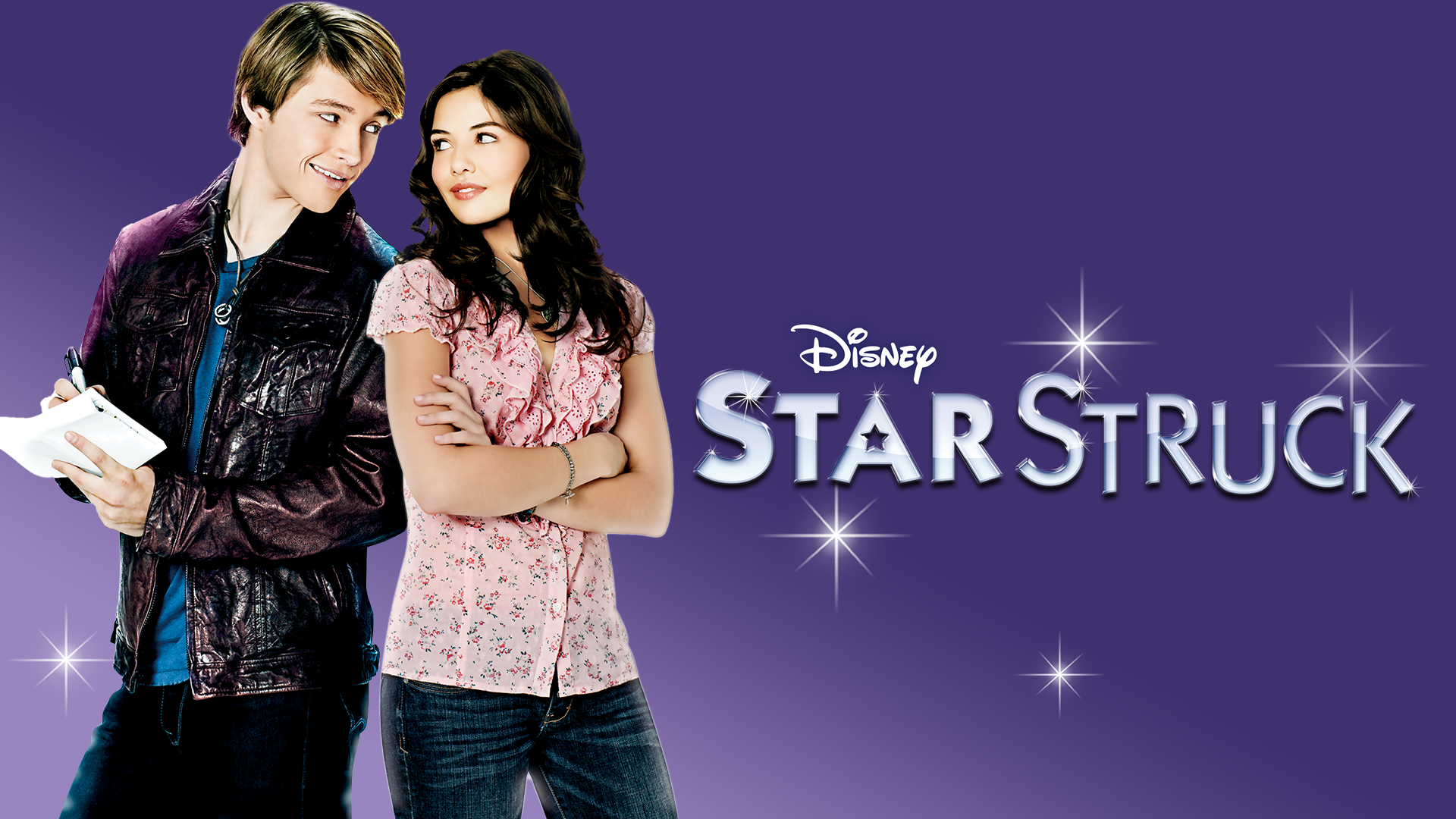
StarStruck (2010) This Disney Channel Original is a cute romantic comedy where a girl bumps into an incredibly famous popstar and between the two of them they are able to discover that appearances can be deceiving. So, basically, nothing ground-breaking happening there as the plot is fairly predictable but the chemistry between the two leads is undeniably genuine. Sterling Knight is fine as the auto-tuned Justin Bieber but Danielle Campbell is great as the jaded girl-next-door.


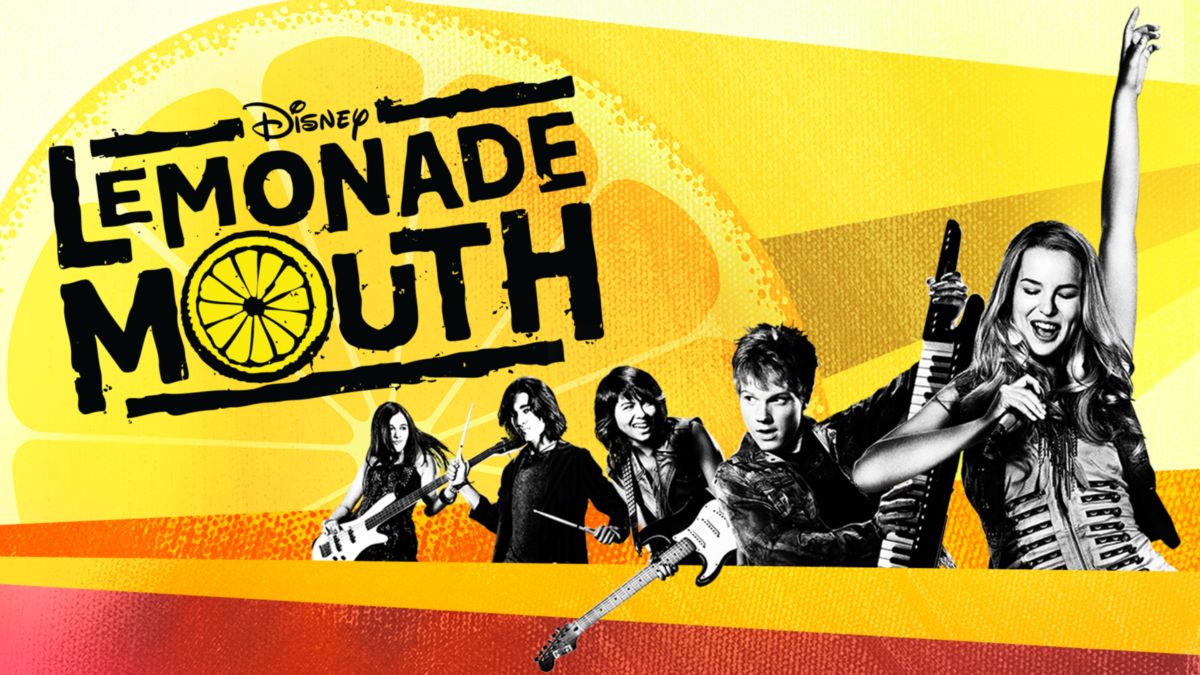
Lemonade Mouth (2011) In what could best be described as Breakfast Club: The Musical this Disney Channel Original assembles an excellent cast of young actors who bring us an energetic and inspiring story of a band of outcasts teaming up to "fight the system." Special shout out to Hayley Kiyoko as the rebellious Stella who many will know as Velma from Scooby-Doo! The Mystery Begins and in this movie she is really allowed to shine.


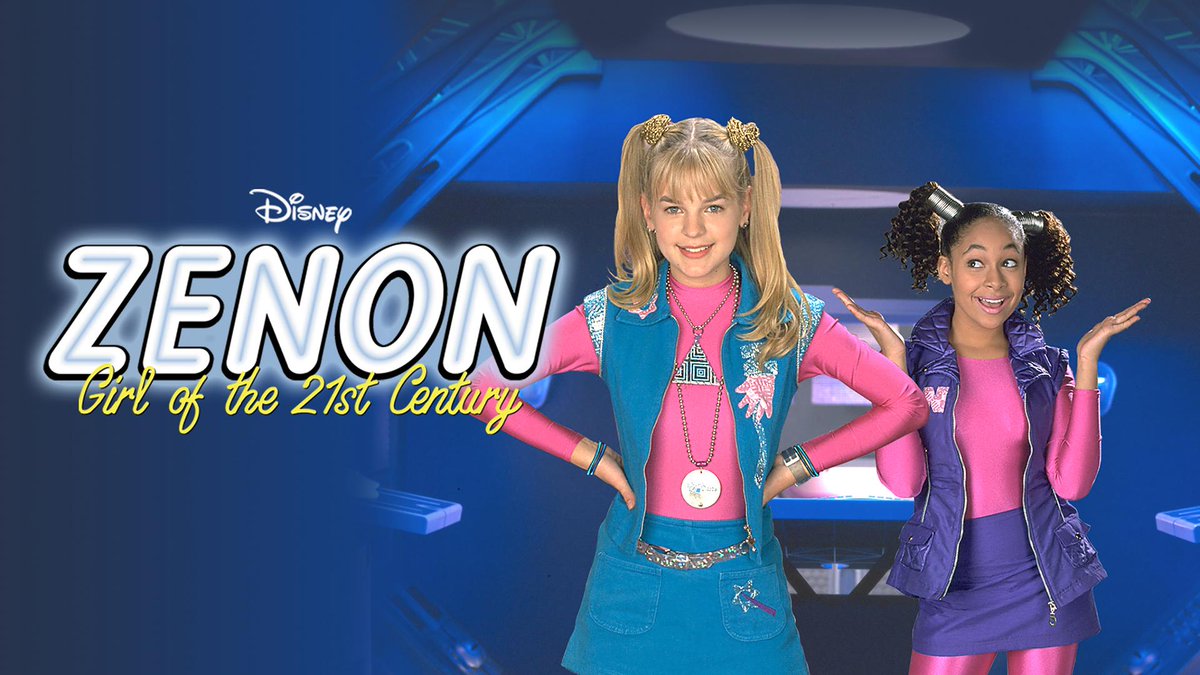
Zenon: Girl of the 21st Century (1999) "I refuse to engage in a name-calling contest with a teenager" and with that startling statement we have the crux of this Disney Channel Original, where a spunky 13-year old girl will match wits with corporate villains who threaten the lives of all aboard the space station she lives on. This is your typical tween-comedy where kids somehow manage to outsmart adults, mainly because all the adults depicted are complete morons, but the result is still a rather fun adventure story that most kids I'm sure would get a kick out of.


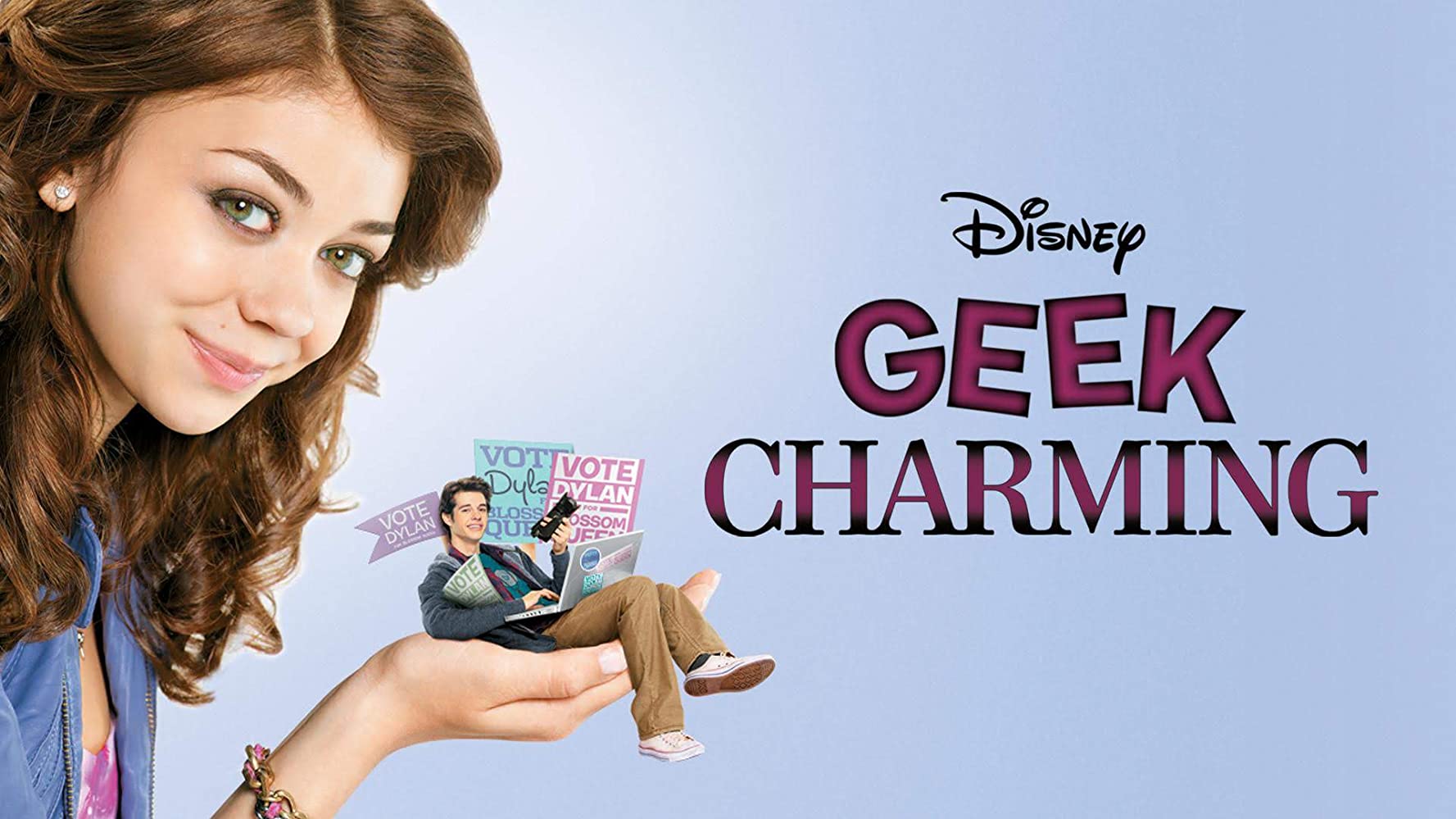
Geek Charming (2011) In what starts out as your basic "Mean Girls" type rom-com Disney’s Geek Charming goes on to prove that it has a little more substance than one would assume at a glance. The very talented Sarah Hyland pays Dylan Schoenfieldl, she's the head of her clique of girlfriends,  is dating the head jock and just happens to be one of the most popular kids in her school, but when film-geek Josh Rosen decides to make a film about her run for the "Blossom Queen" things get complicated. She thinks the film will cinch her win but Josh has his eyes set on making a hard-hitting expose on how high school popularity works. Thus we have the basis of our film's conflict, as one would expect in this type of rom-com, but then as things progress we learn more about our leads and what lies beneath.

Disney Channel's Geek Charming is a film full of heart and Sarah Hyland completely nails a role that could easily have been two-dimensional, and then the film has the added bonus of giving us Sasha Pieterse as a friend who Dylan abandoned in sixth grade so as to achieve popularity, and with such little screen time Sasha Pieterse gives the film some wonderfully grounded moments. Will this film change your life? Of course not, but it certainly one of those movies that is greater than the sum of its parts.


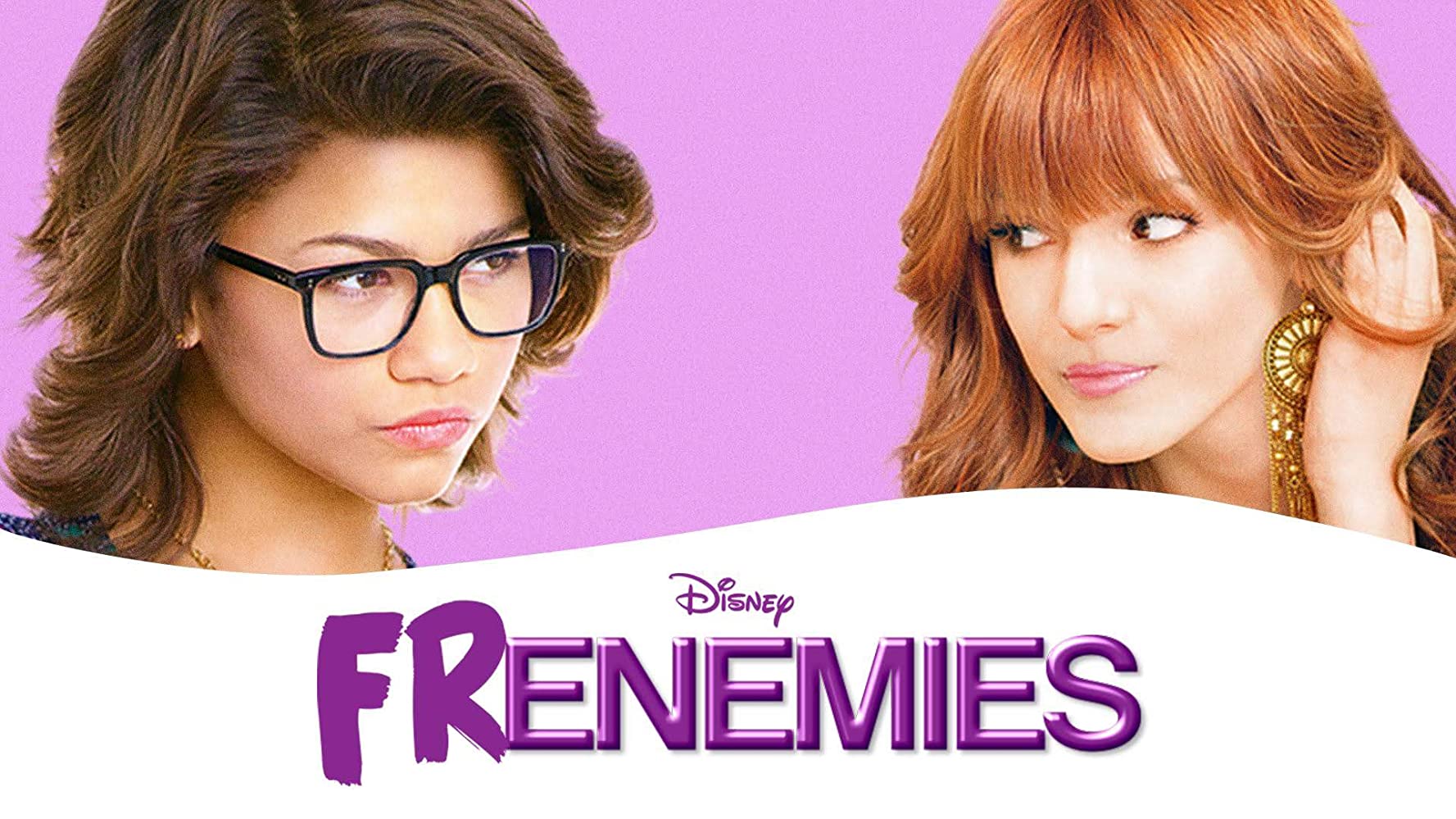
Frenemies (2012) This Disney Channel Original tells three loosely connected stories that deal with the conflict between friends, whether that be between two girls, a boy and a girl or a boy and man's best friend each have their own trials and tribulations, with varying degrees of comedic success. This is a light and goofy comedy and as each segment is relatively short they don't hang around long enough to wear out their welcome, and of the three the take on “The Prince and the Pauper” was probably the best but certainly not the most original - though none of the stories bring much new to the genre. Frenemies is passably entertaining but not worth going out of your way to watch.


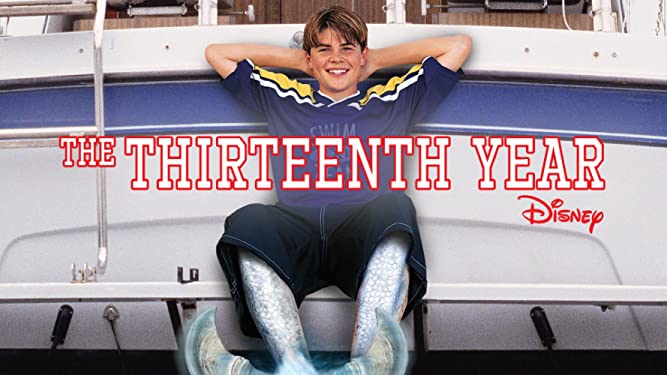
The Thirteenth Year (1999) In this movie a mermaid misplaces her baby while fleeing a fishing boat and thus the baby is raised by a couple of humans and then thirteen years later that child is suddenly growing scales and fins. That's a pretty cool premise and funnily enough with only a 5 million dollar budget, it was still more entertaining than DC's big-budgeted Aquaman. The young here cast all put in decent performances and the merman effects were pretty well executed. My only complaint is the mermaid obsessed fisherman was a poor man's excuse for Eugene Levy from Splash.


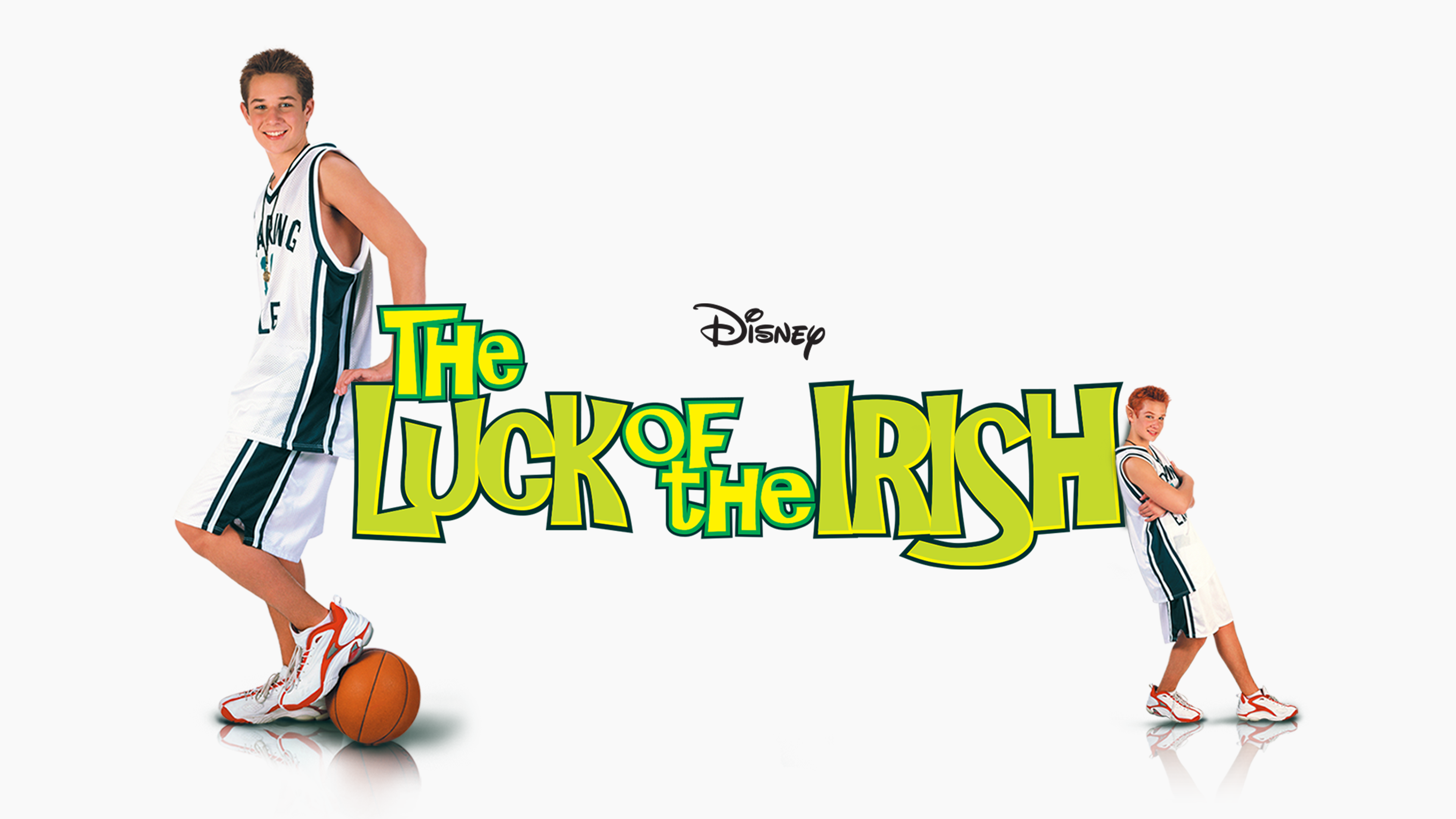
Luck of the Irish (2001) A high school basketball star soon finds out that his luck on the court may not be what it seems when his lucky coin is stolen, and before you can say "Top of the morning to ya" he's getting shorter, growing pointed ears and his mom is talking like she's auditioning for Finian's Rainbow. Disney Channel's The Luck of the Irish would make a good double bill with their mermaid movie The Thirteenth Year as this one has a kid turning into a leprechaun just before his team heads into the state finals. Henry Gibson is great as the kid's Irish grandfather and if anything else this film reminds us that Irish step dancing was once a big thing over here. Whatever did happen to the Lord of the Dance?


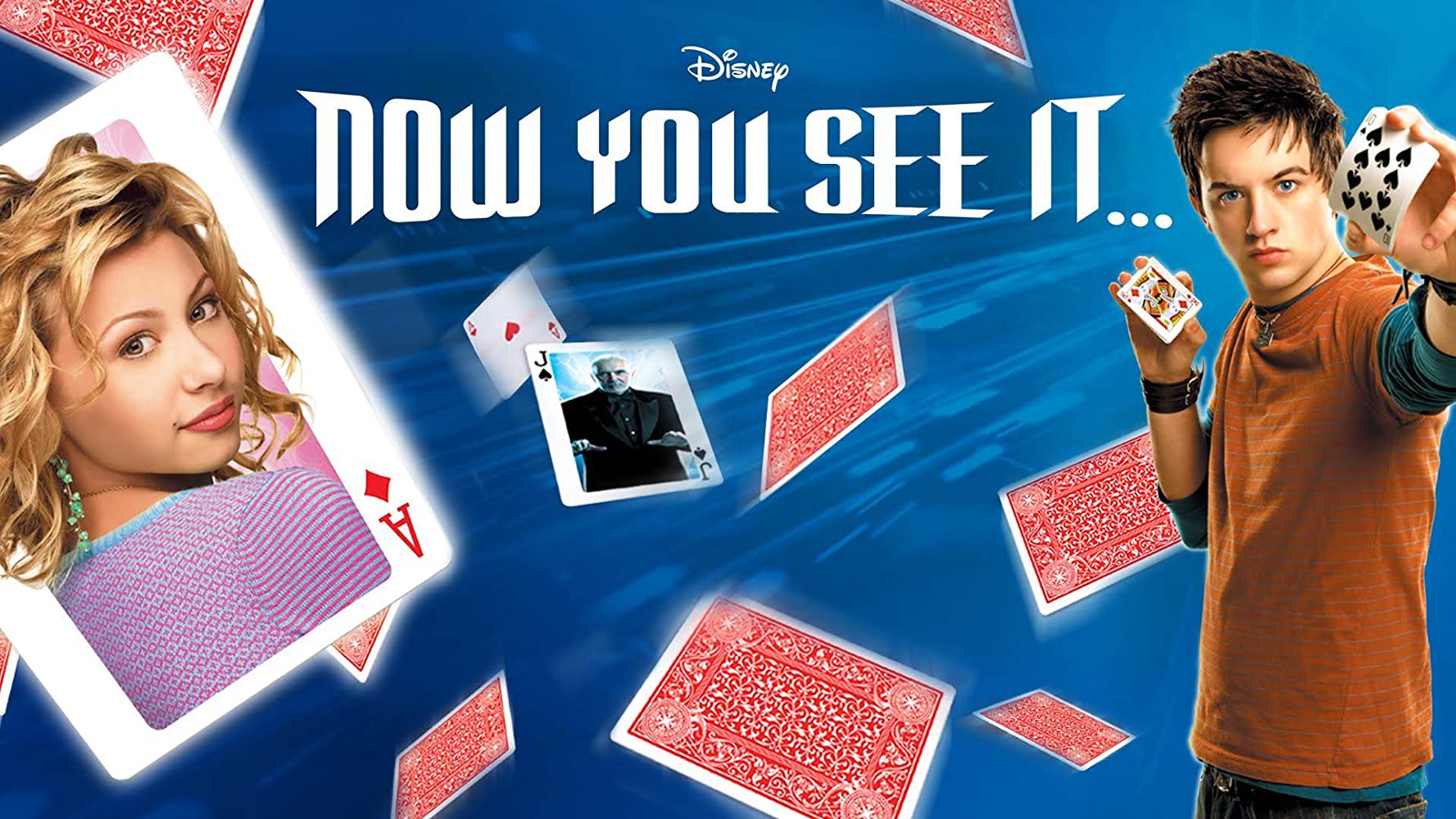
Now You See It… (2005) From Houdini to Penn & Teller stage magicians have been wowing audiences for generations and with Now You See It... the Disney Channel Original brings their own brand of magic to the proceedings. Unfortunately, there isn't much magic to be found in this 90-minute mess as the script, the acting and even the special effects are all pretty bad. The "plot" deals with an overachieving aspiring teen producer who needs to find the "World's Greatest Kid Magician" for a reality show, a job she desperately hopes to land, but the boy she finds turns out to have actual magic and an evil magician has nefarious plans of his own regarding this kid's power.

This could have been an interesting movie but both lead characters are so completely annoying that I barely restrained myself from turning this thing off - Frank Langella being the film's only saving grace and is what kept me tuned in - but worse is the fact that the people at Disney didn't even bother to use real stage magic. Obviously, for the "real magic" our hero uses the film would require special effects to pull it off but they also use cheap camera effects and bad opticals for the stage magic that the other non-magical competitors used. Couldn't they afford to hire a magic consultant for this thing? Overall, an interesting premise that was ruined by unlikeable characters and a lack of faith in their own stagecraft.


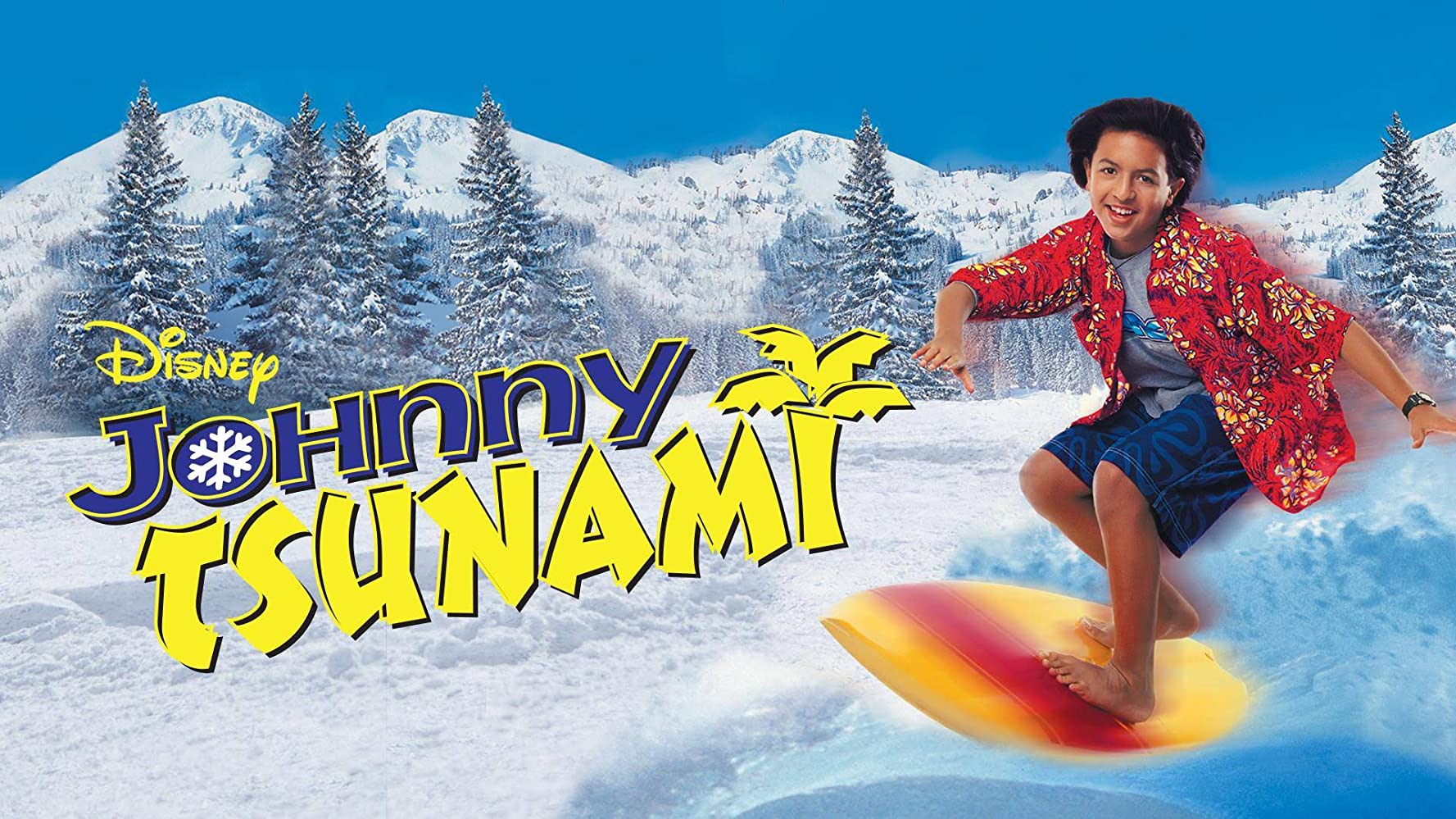
Johnny Tsunami (1999) In this movie we've got rich private school kids warring with the townie public school kids over who has the right to ski or snowboard on their mountain, so we're not talking major creativity in this Disney Channel outing, on the plus side, Brandon Baker is quite charming and engaging as the film's teen lead and any film that includes the great Cary-Hiroyuki Tagawa can't be all that bad.

Now, a story where a surfer gets transplanted to Vermont is fairly clever but the stuff with the insanely dickish dad pushed things over the line and caused me to groan more than a few times. Also, the stunt skiers and surfers they used to double for the film's 13-year-old leads were so obvious it's almost comical, they were almost twice the size of the kids they’re supposed to be doubling for. Still, not a bad film and the message it tries to get across is decent they just needed a few more passes on the script.


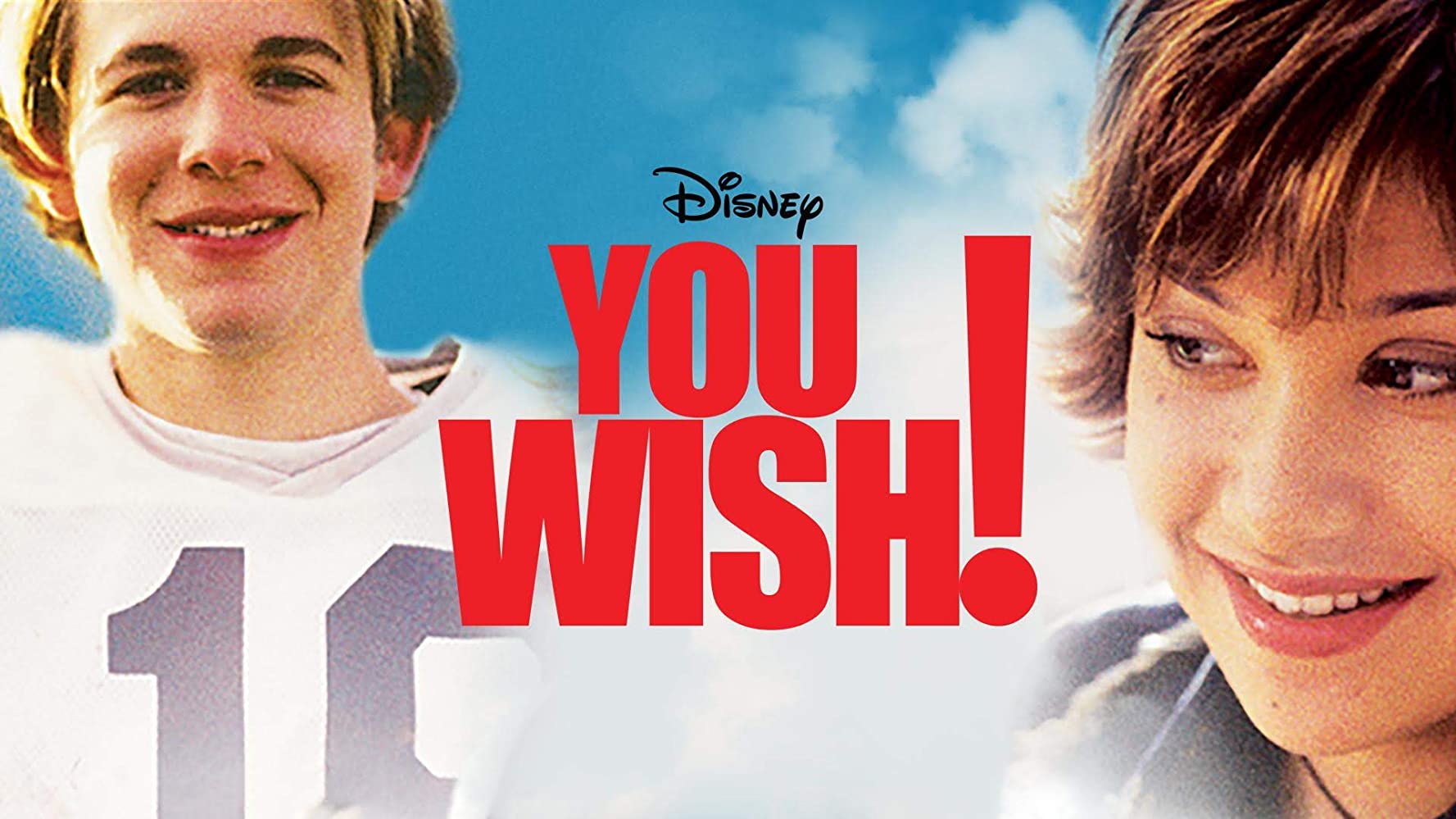
 You Wish! (2003) This isn't the first movie to borrow from Frank Capra's It's a Wonderful Life and probably not the last but you'd hope that something called a "Disney Channel Original" would have done something more original with the premise. Not only is the script cliché ladened - with bullying jocks and mean girls aplenty - but it's also completely full unbelievable moments and idiotic characters. We have parents that overlook their older son to the point of neglect and who let their youngest choose a turkey over a dog as the family pet. There is comedy and there is this mess. For comedy to work there has to be some basis in reality and this one never passes the smell test.

Worse is that when overshadowed Alex Lansing wishes for his annoying younger brother to cease to exist the film doesn't even have the balls to wipe him from existence, instead, it gives the kid an alternate persona as a spoiled television star. The only moment in this film that I was able to derive any pleasure from was a "Who’s on First" bit where Alex tries to explain to his parent the television star is his brother, "Where's Stevie?" This is a tired little movie that doesn't quite earn its sappy ending.


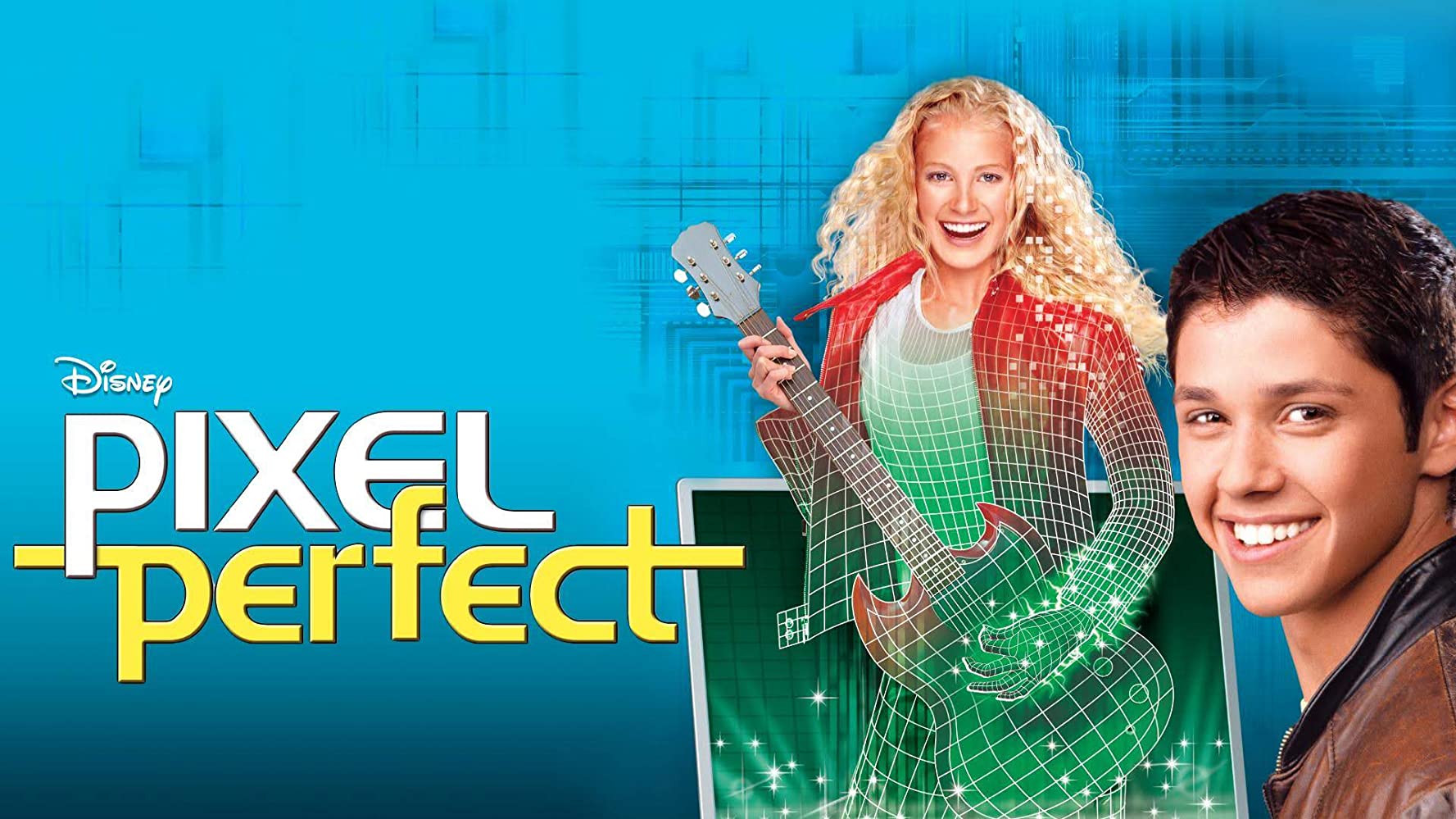
 Pixel Perfect (2004) What happens when you try to bottle perfection? This is the basic premise of Disney Channel's Pixel Perfect where a teenage boy creates a holographic rock star to help his friend's all-girl band. Being a Disney Channel Original one shouldn't go into a viewing of this movie for any hard science - the script's ideas on how holograms and programs work ranges from silly to the outright ridiculous - but where the film works best is the conflict between the whiz-kid science nerd and the girl he should be dating and not his pixel-perfect creation, "Admit it, you're in love with her. Why wouldn't you be? You created her. She's perfect. There's only one problem... SHE'S NOT REAL!"

Leah Pipes is simply fantastic as Samantha, the writer and lead singer of her band, but things get rocky when a talent scout tells her that "It's not about sound it's about image" and that if she can't dance like Britney Spears her band will go nowhere. This is what leads to her friend Roscoe using his Dad's computer and holographic software to create the perfect lead singer. This film may be a sci-fi comedy but it also strives to explore areas of teen relationships that are not often seen in your typical made-for-television movie and does a fair job with it.

Now, I must point out that the dancing of this holographic singer is a little overly-energetic and could be best be compared as a mime having an epileptic seizure and is nothing like any live-pop star performance I've ever seen, but actress Spenser Redford as an A.I wanting to live beyond the limitations of her programming is able to give her character life and does a remarkable job here.
Pixel Perfect is certainly no Weird Science but it does h certainly no Weird Science but it does have a lot of charm, the song are rather catchy and at its core is a solid message that many kids should be able to relate to, that looking for perfection is a futile endeavour and a good way to end up alone.